

Flowers in February: A story, a panic, and what it says about us
Let's start with the first sentence:

Calgary AB Feb 17 2025
Medicine Hat got the same storm
Photo - Kelly Allard
"Sandy is out front planting flowers when four ICE trucks roll up in front of Crestwood School..."
It was posted in February. In Medicine Hat. The ground is frozen solid.
That was the clue.
A wink from the author: this is a story. Take a breath.
Some people got it. Some didn't.
What happened
A local baker posted a fictional story about an ICE-style raid on Crestwood School. It's dystopian fiction set in real streets - a warning about the new Alberta Sheriffs police force the province is spending $30 million to build.
Some readers panicked. They saw "ICE" and "school" and called police.
A group of trolls - the same ones who've been trying to boycott this bakery for months - amplified the panic. They pretended to be outraged. They called for consequences.
The police responded. They said the story was "not true" and there was no threat. They handled it calmly and correctly.
Then a local blogger named Jeremy Silver - who has a following and fancies himself unbiased - decided to fan the flames of outrage. Silver posted that the bakery had spread "false rumors" and "completely fabricated claims" about a security threat. He suggested police had "tracked down" the owner like some kind of fugitive.
None of that was true. The baker wrote fiction. The police talked to him. He cooperated. That was it.
But Silver has a following, including UCP loyalists who were already looking for reasons to be angry. His version of events - that this was a "rumor" that needed "debunking" - fit their narrative. It spread. The trolls had more fuel. Silver probably thought he was helping. But calling fiction a "false rumor" misses the point entirely.
Fiction isn't rumor. It's fiction. And pretending otherwise just confuses people more.
The baker responded
He posted an explanation worth reading. A sample:
"The story is obviously fictional. If you didn't get that right away, there are two explanations: Some people never read anything. ... Some Separatists and other trolls recognized that the story is fictional, but took the opportunity to make noise."
He listed what's real: ICE violence, Trump's lies about immigrants, Danielle Smith's anti-immigrant pivot, the $30 million for a new police force.
"My story is timely, relevant and important. It is violent. It is dystopian. It is fiction. It hits close to home, and it is a warning. If it bothered you, it was supposed to."
He ended with: "All we have to do is Stop Electing Fascists. And read more books."
Who is this guy?
He's a conservative who doesn't like how far right the UCP has gone. He goes to church. He talks about his white privilege. He speaks out against homophobes, transphobes, hell, he calls out ALL the phobes. He does fundraisers for local causes. His mom is the beloved “Doughnut Lady” who delivers doughnuts to the less fortunate every day after the bakery closes.
The trolls want him to "just bake the bread and shut up." He won't. Good for him.
How to tell fact from fiction
Kelly's late husband Carl used to quote his dad:
Believe nothing that you hear and only half of what you see
Carl died in 2019. He never saw the AI flood, the deepfakes, or a town panicking over February flowers.
But somehow, he knew.
Here's a simple way to remember what to check before you share. We call it FLOWER - because if people had noticed the flowers in February, none of this would have happened.
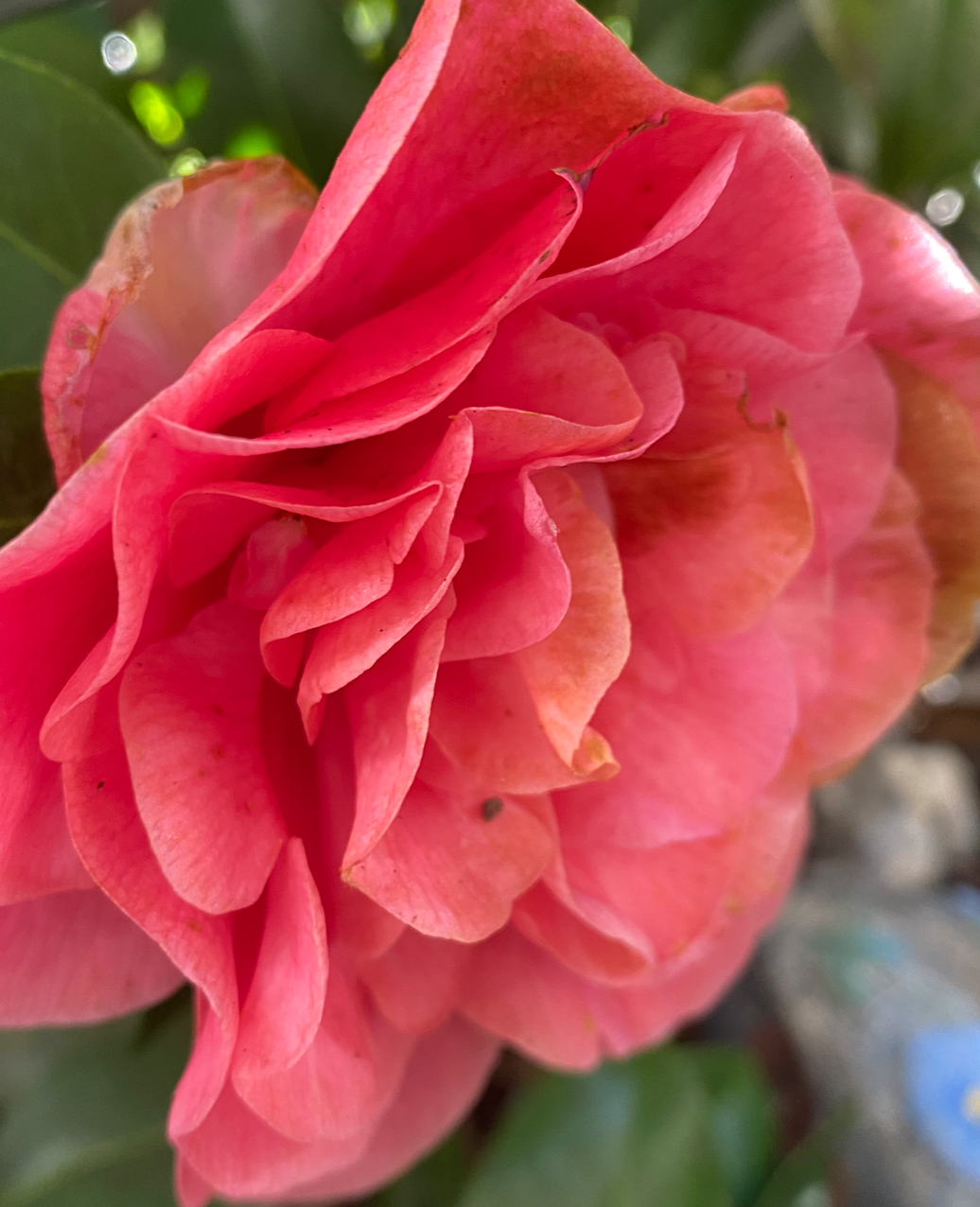
Real flower in February - Chemainus BC (1332km away)
Photo - Kelly Allard
F is for Feelings first. Stop. Fear and anger mean slow down. Don't share yet.
L is for Look at the source. Who posted this? A baker with opinions? A random account? Or a real news outlet?
O is for Others reporting it. Is anyone else talking about this? If it's real, multiple sources will have it.
W is for Watch the details. Flowers in February in Alberta? Impossible. Does what you're reading match what you know about the world?
E is for Examine the writing. Can the author read minds? News doesn't say "she knew in her heart." Fiction does. If you're inside someone's head, you're in a story.
R is for Read the whole thing. Don't stop at the headline or the first sentence. The people who panicked over the bakery story stopped at "ICE trucks." They missed the flowers. Read to the end.
That's it. Six letters. One flower. Next time something makes your thumb twitch toward the share button, remember: FLOWER it first.
What you read matters less than that you read
Here's the thing: it doesn't really matter what you read. Just read.
Some people think fiction is a waste of time. They're wrong. Historical fiction, for example, can give you insight into other cultures without the dry slog of a textbook - especially when the author has done their homework. You learn about people, about motives, about how the world works. You just do it through story.
Every book you finish teaches you something: how to follow a plot, how to notice details, how to tell a narrator's voice from the author's. These skills carry over to everything else you read - news, social media, even labels at the grocery store.
The people who panicked over this story? They haven't practiced. They haven't spent hours inside books, learning how stories work. That's not their fault entirely - schools have been underfunded, libraries closed, reading de-prioritized for years. But it's still a problem.
Pick up anything. A novel, a history book, a biography, even well-researched historical fiction. Just read. Your brain will thank you.
The city that forgot its Nobel scientist
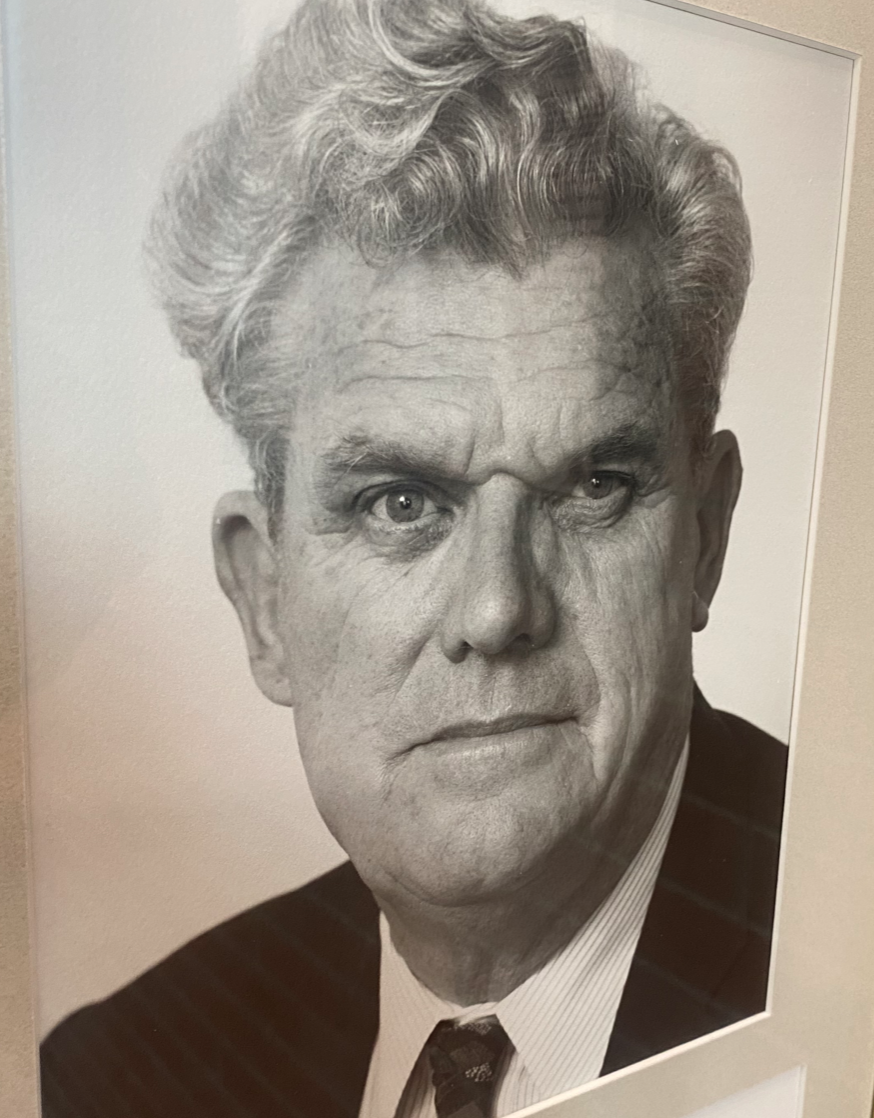
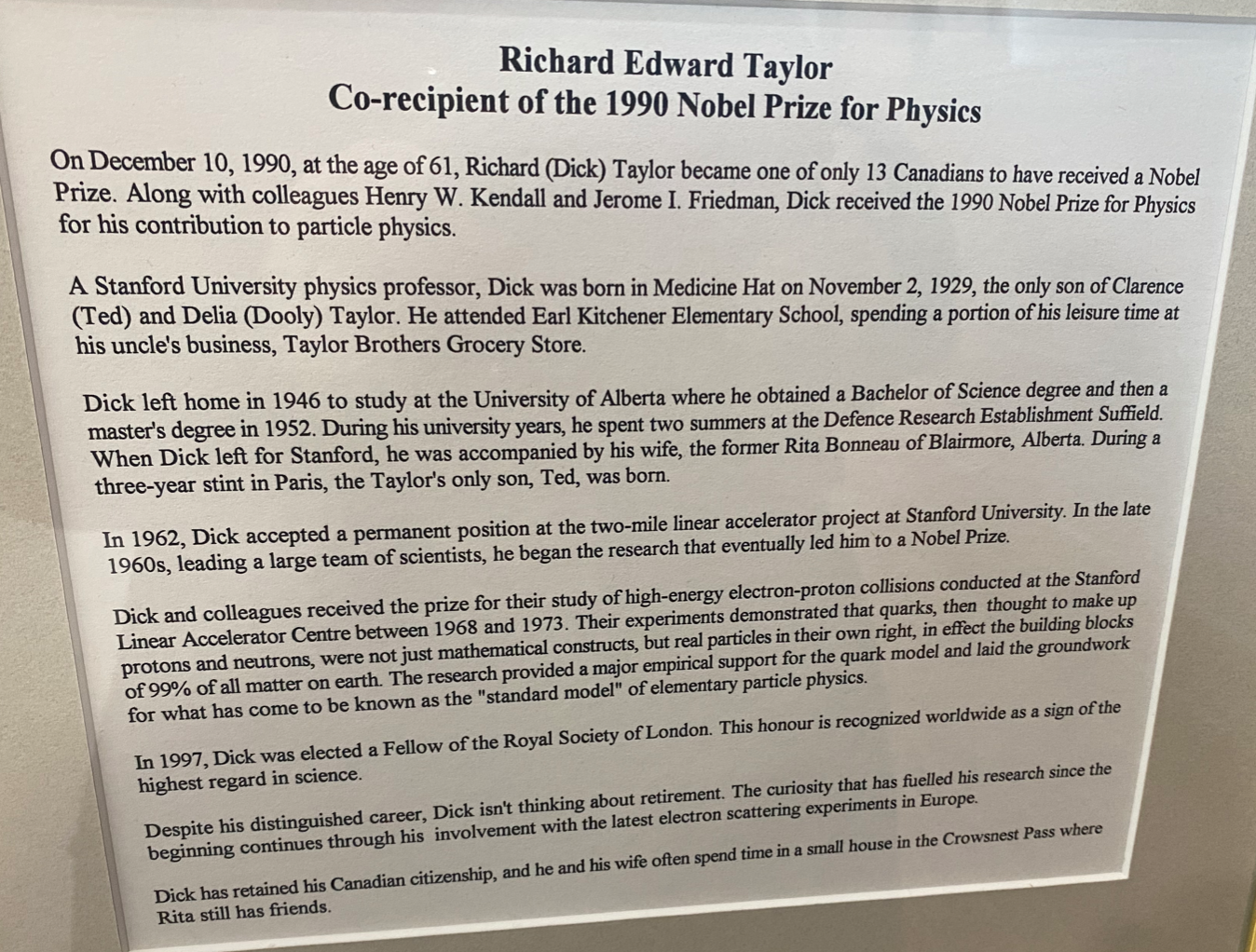
Within a week of the bakery story: the city announced new inductees to the Sports Wall of Fame. Meanwhile, most Hatters have no idea who Richard Taylor was.
Taylor was born here in 1929. He won the Nobel Prize in Physics in 1990 for discovering quarks - the building blocks of matter. His work changed how we understand the universe.
His photo is up in City Hall but most of the city doesn't know who he is.
This connects. A city that celebrates athletes and forgets scientists raises kids who don't pay attention to details. A culture that calls nerds losers produces adults who miss flowers in February.
Taylor said it best: "Reading gives you independence and a sense of freedom." He knew reading carefully teaches you to think for yourself.
The trolls knew
The trolls weren't confused. They knew it was fiction. They just saw a chance to cause chaos.
They've been trying to boycott this baker for months. It hasn't worked. His business is fine.
But they showed us something: they'll weaponize genuine fear for political gain. They don't care about truth - only winning.
Bloggers like Jeremy Silver help them, whether they mean to or not. Calling fiction "rumors" and "fabricated claims" gives the trolls exactly what they want: a story where the baker looks like the bad guy. Silver probably thought he was reporting the “news” but he became part of the noise.
What now?
The baker keeps writing. The trolls keep trolling. The city keeps forgetting its Nobel scientist. Bloggers keep blogging.
Maybe we could do something different.
Read more carefully.
Notice the flowers.
Ask your council about Richard Taylor.
Fund schools and libraries like they matter.
The story was a warning about where we're headed. The panic was a warning about what happens when we stop reading.
Believe nothing you hear and only half of what you see. Read more books - any books. Pay attention.
And next time someone posts a story with flowers in February, pause and think: wait.
Because it doesn't make sense. And it wasn't meant to.
