

Golden Sheaf Park Beach Water Advisory: Open, But Swim at Your Own Risk
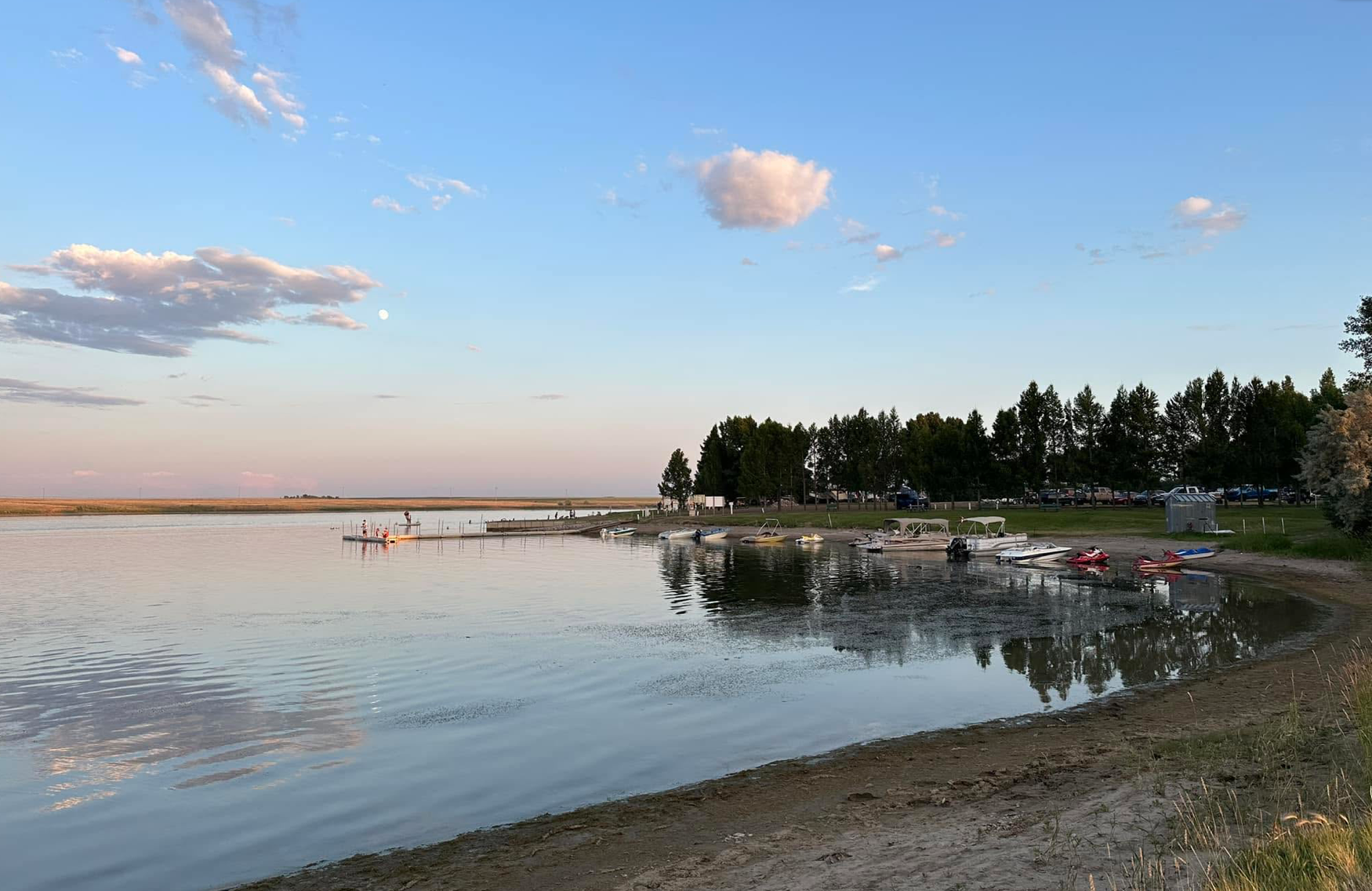
Bacteria Advisory at Golden Sheaf Park: What You Need to Know
With the Echo Dale Swim Lake closed for the entire summer, local families have fewer places to cool off. The water at Golden Sheaf Park Beach is currently under a water quality advisory. The lake is not closed, but health officials are urging people to be aware of the risks and take precautions to stay healthy.
Alberta Health Services (AHS) issued the advisory on July 24 due to elevated bacteria levels, and as of July 29 it is still in effect. Swallowing the water can lead to gastrointestinal illness, and skin contact could cause infections in your ears, eyes, or skin.
Why This Happens More in Summer
First, bacteria grow faster in warm water. The warmer the water, the more the bacteria can multiply.
Second, summer often brings heavy rainstorms. Rain washes contaminants from the land, including animal waste and soil, directly into the lake.
Third, shallower lakes and reservoirs warm up faster and have less water to dilute any bacteria that get in.
It is important to note that the issue at Golden Sheaf Park is specifically elevated levels of bacteria, not algae. In this case, the problem is fecal bacteria, which comes from the digestive systems of warm-blooded animals like geese, cattle, or other wildlife.
What Bacteria Are They Testing For?
When AHS tests the water at a beach, they are looking for two main types of bacteria:
E. coli. This is a bacteria that lives in the intestines of humans and animals. Most strains are harmless, but some can make you sick. Swallowing water with E. coli can cause stomach cramps, diarrhea, and vomiting. It is the most common bacteria tested for in freshwater beaches.
Enterococci. These are bacteria that also live in the intestines of warm-blooded animals. They are used as an indicator of fecal contamination. Enterococci are tougher than E. coli and can survive longer in the environment. They are more commonly tested for in saltwater, but they are also used in freshwater testing.
When the levels of these bacteria are too high, AHS issues a water quality advisory. The numbers tell them that there is a higher risk of getting sick from contact with the water.
What Symptoms Should You Watch For?
If you or someone in your family has been in the water of any lake with an advisory, watch for these symptoms:
Stomach issues. Diarrhea, vomiting, nausea, and stomach cramps are the most common. These usually show up within 12 to 72 hours after swallowing contaminated water.
Skin problems. Redness, itching, or a rash can develop after contact with the water. This can happen even if you did not swallow any water.
Ear and eye infections. Pain, redness, or discharge from the eyes or ears can be a sign of an infection. These can develop a few days after exposure.
When to See a Doctor or Go to the ER
Most healthy people will recover from a mild case of diarrhea or stomach upset on their own. But there are times when you need to seek medical help.
See a doctor if:
Diarrhea lasts more than three days.
You have a fever over 38.5 degrees Celsius.
There is blood in your stool.
You are vomiting and cannot keep fluids down.
You have signs of a skin infection that is getting worse, like spreading redness, swelling, or warmth.
Go to the ER or call 911 if:
You have severe abdominal pain.
You are dizzy or confused.
You cannot keep any fluids down for more than a few hours.
You have signs of severe dehydration, like not urinating, dry mouth, or feeling faint.
A child or elderly person shows any of these symptoms. They can get dehydrated much faster than healthy adults.
If you are unsure, call Health Link at 811. They can give you advice.
Who Should Stay Out of the Water?
For a healthy adult, swallowing a bit of lake water might lead to a few days of stomach cramps and diarrhea, most people bounce back on their own. Immunocompromised people cannot expect to recover as quickly. AHS and health experts recommend that the following groups avoid swimming in any lake with an active advisory:
People with weakened immune systems. This includes anyone undergoing chemotherapy, organ transplant recipients, people with HIV/AIDS, and anyone taking medications that suppress the immune system. Their bodies cannot fight off infections as easily, and what might be a mild illness for a healthy person could land them in the hospital.
Elderly adults. As we age, our immune systems do not work as well. Older adults are more likely to get severely ill from waterborne bacteria and are more prone to dehydration from vomiting and diarrhea.
Young children and infants. Kids under five have immune systems that are still developing. They are also more likely to swallow water and less likely to tell you they feel sick until things get bad. Infants are especially vulnerable.
Pregnant women. Pregnancy can change how the immune system works. Some infections can also pose risks to the developing baby, so it is better to be safe than sorry.
People with open cuts or wounds. Bacteria can enter through broken skin and cause serious infections. If you have any scrapes, cuts, or rashes, stay out of the water until it heals.
What You Can Do to Protect Your Health
Even when there is not an official advisory, untreated lake water always carries some risk. AHS has clear advice for anyone who uses lakes or reservoirs:
Check for warnings first. Look for posted signs at public beaches or check online for water quality advisories before you go.
Never drink or cook with lake water. This is a hard rule for any lake, at any time. The organisms in untreated water can cause vomiting and diarrhea. Boiling kills bacteria but does not remove chemicals, so it is still not safe for drinking or cooking.
Shower immediately after swimming using soap and shampoo if possible. Soap helps break down and wash away bacteria and other contaminants that might be on your skin and hair. Pay extra attention to your ears, and dry off thoroughly with a clean towel.
Avoid swallowing any water.
Keep pets out of the water. Do not let your animals swim in or drink from lakes with active advisories.
How Long Will This Last?
There is no set timeline.The speed at which a water advisory is lifted depends on how quickly nature can break down the bacteria, which is influenced by sunlight, temperature, water movement, rainfall, ongoing contamination from wildlife or runoff, and the depth and volume of the lake itself.
We can look at a recent example to get an idea.
Writing-on-Stone Provincial Park Beach had a water quality advisory issued for a a similar issue, elevated bacteria levels on June 12, 2026. It was not lifted until July 13, 2026.
AHS will keep testing and will lift the advisory as soon as the numbers show the water is safe.
