

ARCH Worked -The Alberta Government Let It Die Anyway
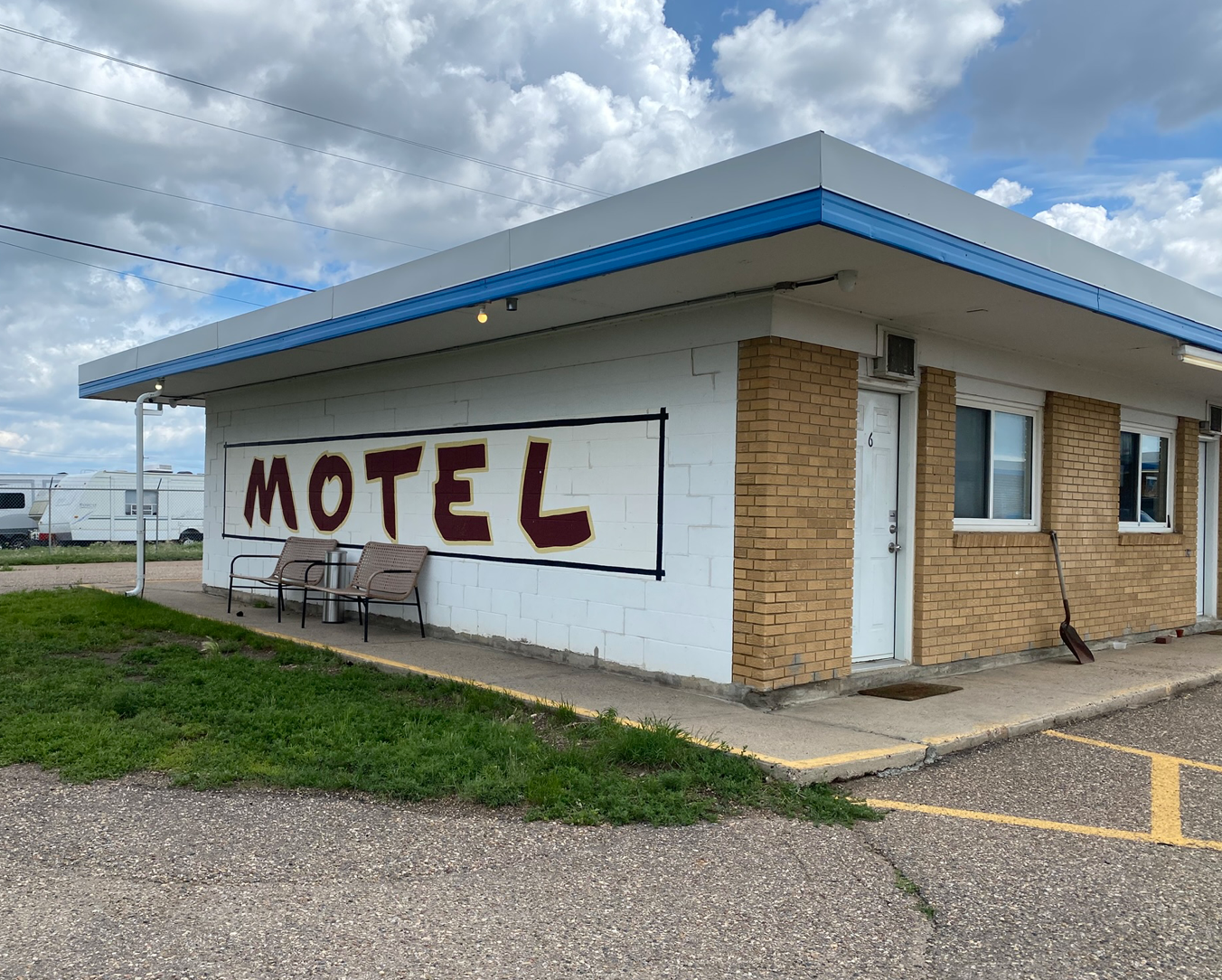
Outdoor smoking area at ARCH - smoking was not permitted indoors.
NB - ARCH is NOT the same as the ARCHES program in Lethbridge.
The ARCH program in Medicine Hat was a pilot project that tested whether giving people with serious mental health and addiction issues their own home with the right support would work. It brought together Indigenous healing practices and regular healthcare to help people in a way that respected their culture and their struggles. It proved that housing with support works for people who are the hardest to help.
ARCHES was a provincially-funded harm reduction site.
ARCH in Medicine Hat was about housing and healing.
They just happen to have similar names, but they are completely different things.
The public has long been complaining of unhoused people on the streets, claiming it makes them feel unsafe. The Medicine Hat Police Service (MHPS) has told the public that it is about a dozen people who account for most of the police calls for service either because of substance use or mental health issues. Police intervention has proved ineffective. These are the hard-to-house people who have trouble maintaining a residence because of their complex needs. The Medicine Hat Community Housing Society (MHCHS) met them where they were at with a Made-in-Medicine Hat Solution.
Twelve people had a home with wrap-around supports. They had their own rooms with comfortable beds and private bathrooms. They had support workers who knew their names and understood their struggles. They had a place where they could be themselves without judgment.
Now that support system has been ripped apart from them.
Background
In 2022, the Action Research on Chronic Homelessness research project funded by the Government of Canada began. Eight communities were chosen for this funding, Medicine Hat was one of the eight.
Think of that - in all of Canada, EIGHT communities were chosen and we were one of them! The research was done, the project was successful.
Since ARCH was initiated in 2022, it has helped 26 local people.
Sept 30 2025 The province shut down funding.
June 30 2026 The ARCH program shut down for good.
The building sits empty. The beds are stripped. The kitchen is quiet.
Twelve people who had a place to call home are now scattered. Some have gone back to live with family. Some are in motels. Some have been readmitted to psychiatric institutions. Some will likely end up back on the streets because their 24/7 support is gone.
For nine long months, the Medicine Hat Community Housing Society fought tooth and nail to keep the ARCH program alive. They scrambled for funding from every possible source, stretched every dollar, and believed with all their hearts in what they had built.
In the end, none of it mattered.
The province holds the purse strings.
What ARCH Actually Was
ARCH was not a shelter in any traditional sense. It was not a dormitory with rows of cots and rigid rules about when you had to go to bed, when you could shower and when you had to leave.
Instead, it was 12 private rooms, each equipped with:
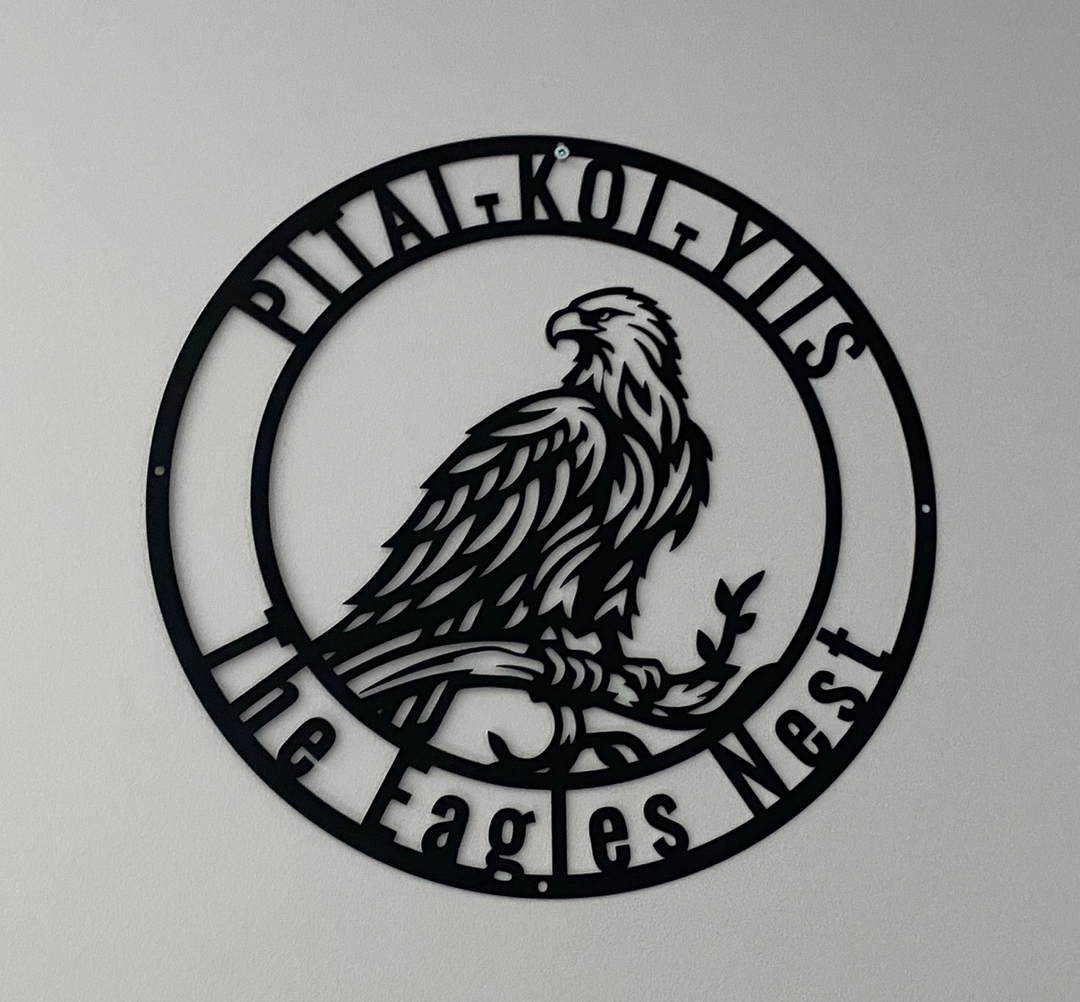
a comfortable bed
a television
an apartment-sized fridge
a microwave
dishes
towels
bedding, and
a full private bathroom.
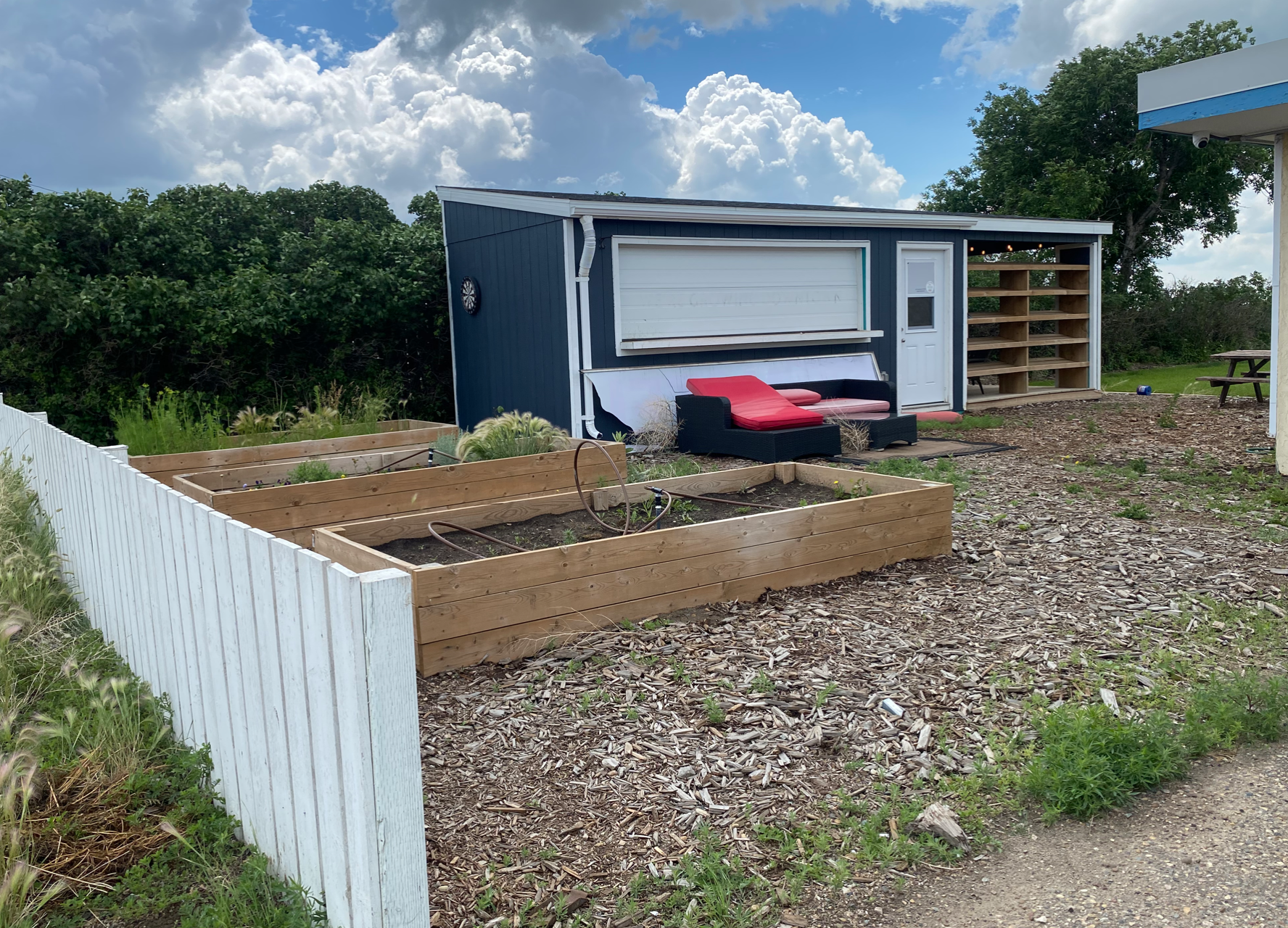
Outdoor gathering space with raised garden beds
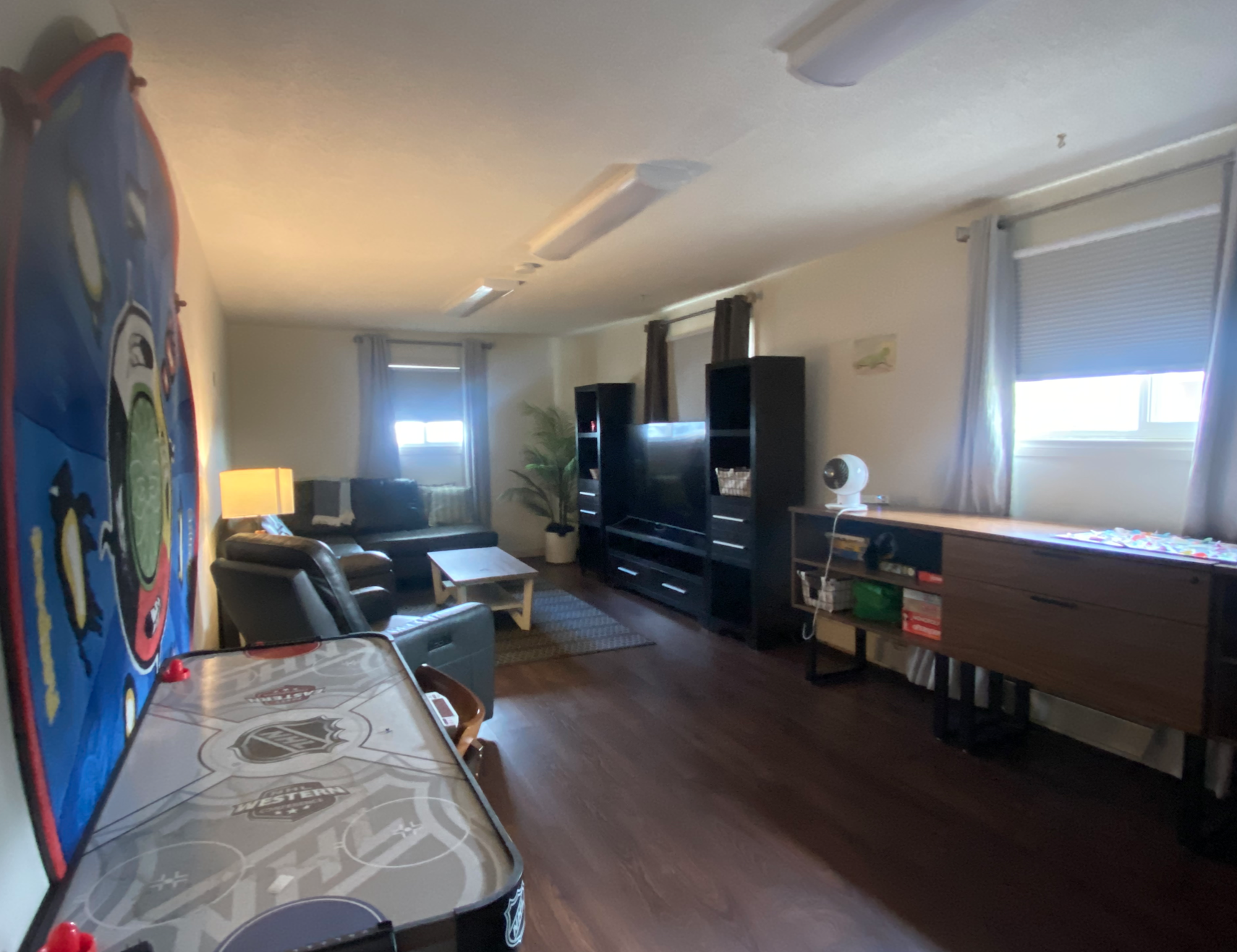
One of the two common areas
Residents had their own space, their own door they could close; they were safe. They had 24/7 access to:
laundry facilities
a full kitchen
outdoor areas with a raised-bed garden and
two indoor common areas where they could watch TV, play video games, do crafts, play board games or just hang out with fellow residents.
Visitors were not allowed in the indoor common areas, only the individual rooms.
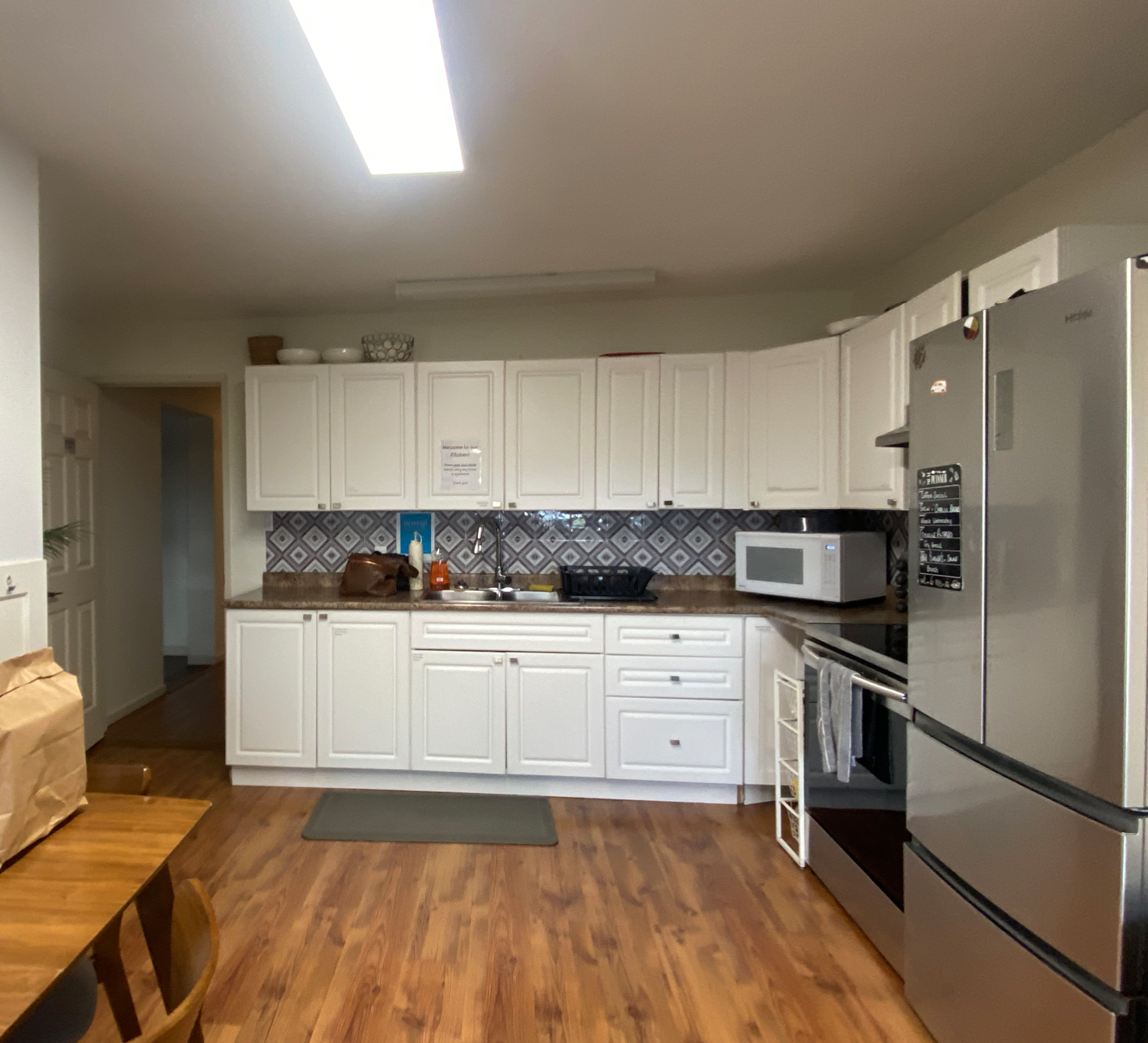
Full kitchen available 24/7
Two support workers were present during the day and one at night. They knew the residents by name. They helped keep track of appointments and understood their struggles.
Medical issues were addressed before they worsened, saving the health care system thousands of dollars.
They drove residents into the city for appointments or entertainment, and they assisted residents to get groceries.
They made things together in the kitchen (Friday bannock making was always popular).
Sometimes the most important thing staff did was remind someone what day of the week it was, because when you are struggling, that can be hard to remember.
Residents were not expected to be completely abstinent from all substances. As long as their substance use was not causing problems, they were still permitted to stay there.
Think about all the functional substance users in your own life. Drug and alcohol use is common in many industries. Even better, Google the industries with the highest drug/alcohol abuse. You will be shocked.
Spoiler alert - it's not the rig pigs.
Residents were expected to clean up after themselves and do their own laundry, which was part of learning to live independently. If someone could not manage to wash their sheets in a timely manner because they were having a rough time, that was okay.
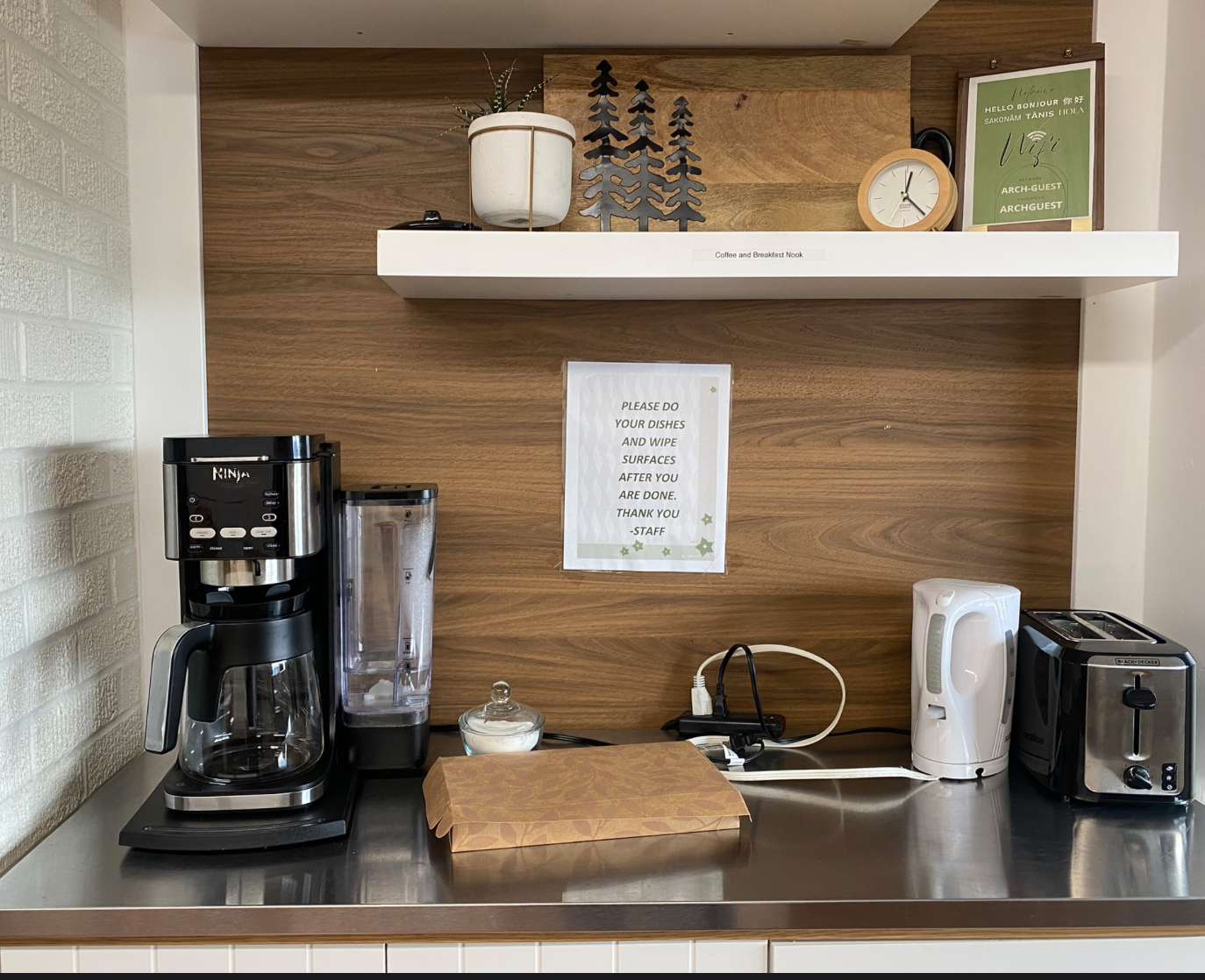
The coffee was always on.
The staff met them where they were at, without judgment or punishment.
Some residents had been institutionalized in psychiatric facilities, others had been living on the streets for years. One client had been the subject of most of the police Calls for Service in Medicine Hat because of their behaviour related to mental health issues. After they moved into ARCH, the decrease in calls was dramatic.
The Province Pulled the Plug
The ARCH program costs $75,000 a month to run, averaging out to $6250 / person/ month.
That sounds like a lot until you consider what it replaced.
Did You Know:
The cost of one acute care psychiatric bed in Alberta ranges from $730 to $1,200 per day, averaging over $29,000 a month.
$29,000/month for one person to be in an acute care psychiatric bed.
A 2008 study of the cost of homelessness in Calgary estimates that the average annual cost per unhoused person was over $90,000/year ($7,500 / month).
That was 18 years ago.
The math is not complicated.
ARCH saved money and saved lives.
When ARCH shut down for good those 12 people did not just lose their rooms.
They lost their community.
They lost their fellow crafters and board game players.
They lost the friends who understood what they were going through.
They lost the Friday bannock and the shared meals and the simple comfort of being around people who did not judge them.
Addiction and mental illness both thrive in isolation. They feed on loneliness and grow in the dark. ARCH gave people connection, and connection is the opposite of addiction.
The Mustard Seed Connection
The Mustard Seed could have done something like ARCH if they had wanted to. They certainly have the money, the connections, and government support to make it happen.
They did not.
Here is where things get interesting. The Mustard Seed was founded by Pat Nixon. His son, Jason Nixon, currently serves as the Minister of Tourism and Sport but he was once the Minister of Assisted Living and Social Services. Under Jason Nixon's tenure as Minister of Assisted Living and Social Services, the province made the decision to stop funding community-based organizations (CBOs) like MHCHS and instead fund frontline providers like the Mustard Seed directly.
The Mustard Seed receives about 48 percent of its funding from government sources. It has nearly $100 million in assets. Because they are not a public body, the Access to Information Act does not apply.
The Alberta government is against funding low barrier housing and harm reduction, they seek to force everyone to stop using substances. We all know that is counterintuitive to actual recovery, secure housing must come first.
When functional addicts like your next door neighbour with stable housing cannot stop,
how do they expect those without a door to shut to do it?
Instead, they want to attach a navigation centre to the new shelter location. This would be a shelter with a one stop shop for services. It sounds wonderful until you understand what that actually means.
Once people leave the shelter, they must travel back to get help instead of the support coming to them. We already know that one of the reasons residents do not want a shelter in their neighbourhood is the increased traffic of people accessing those services.
Jan 2025 - The MS wanted to put 20 overnight spaces at the Allowance Avenue location (to supplement the spaces at the 8th St location) but the neighbourhood said NO. The MPC denied that application and also said no to feeding people on site.The MS had to do a ghost kitchen instead - they could prepare food there but it had to be consumed somewhere else. MS CEO James Gardiner was NOT happy, he mentioned several times throughout the meeting that about 100 people a day would be going hungry because of the Jan 15 2025 decision by the MPC to deny the application.
ARCH was fundamentally different. The support came directly to the residents where they lived.
They did not have to go anywhere.
The workers were right there.
The van was right there.
The help was right there whenever they needed it.
It also meant no extra traffic in the neighbourhood.
Mustard Seed Has a "Fair" Demonstrated Impact Rating
Charity Intelligence, an independent organization that evaluates Canadian charities on actual impact. They gave the Mustard Seed only a "Fair" rating for demonstrated impact. They did not make the Top 100 Rated Charities list or the Top 5 Impact: Homeless-Serving Charities list.
By contrast, the Calgary Homeless Foundation, which serves a similar role in Calgary as MHCHS does in Medicine Hat, received a 5-star rating and a "High" impact rating.
The difference is clear. Local organizations that know their communities and are properly funded can achieve real results. The Mustard Seed, for all its size and government connections, is not among them.
The Mustard Seed boasts about how many people they have housed.
It is one thing to get people into housing. It is quite another to help them stay there.
Going from the streets or an emergency shelter to an apartment is overwhelming. Suddenly you have to be a responsible adult: paying bills, buying groceries, obtaining furnishings, everything necessary to function.
For those who have a stable life, getting an apartment set up can be an onerous task.
For those struggling with mental health, which may include substance use, this is an impossible task.
Let's face it, organizations like the Mustard Seed should be working at putting themselves out of business. However, they get paid for bums in beds and they get paid well. Our investigation has found that on average one shelter space means about $30,000/year in revenue. (In Medicine Hat, shelter spaces do not include beds, you get a mat on the floor.)
The Four Year Search for a 24/7 Shelter
The City of Medicine Hat has been searching for a 24/7 shelter location since July 2022.
In addition to the overnight shelter on 8th St, the Mustard Seed ran a Community Impact Centre (daytime shelter) on Allowance Avenue. They mismanaged it so badly they alienated every neighbour in the area. Constant complaints about drug use, loitering, garbage, and needles. The neighbours felt unsafe, and in October 2024, tensions were high at a meeting at the police station meant to try to alleviate concerns. The Mustard Seed poisoned the well so thoroughly that nobody trusts them.
When The Owl asked Mustard Seed CEO James Gardiner in January 2025 why there was no Good Neighbour Plan in place for the Allowance Avenue location, he stated baldly
"Nobody asked us for one."
Homeless Shelter Mustard Seed Media Scrum Medicine Hat
The Mustard Seed poisoned the well so thoroughly that nobody trusts them.
A location on Saamis Drive was identified but the Mustard Seeds reputation was in the toilet. Residents of nearby apartment buildings showed up at the Municipal Planning Commission (MPC) meeting where the permit application was being considered with complaints about safety, property values, and "those people." John Hashem of Box Springs Business Park told the Owl that he owned most of the land around the Saamis Drive location and he was very opposed to the shelter going there. James Gardiner, CEO of the Mustard Seed, was also present.
The MPC did not allow the public to speak to the issue at that time as the public would have the chance to speak at a public hearing when it went in front of council.
The Mustard Seed withdrew its application before it could get in front of council.
Meanwhile, MHCHS ran a winter response shelter in a two-bedroom unit with over 20 people packed in there. MHCHS actually managed it properly.
Nobody knew.
Nobody complained.
Jaime Rogers of MHCHS has told the Owl -
A well run shelter is not noticeable.
The Province Can Veto Federal Funding
Even if the Mustard Seed were removed tomorrow, MHCHS could not simply step in and take over the shelter. Historically, the province gave a lump sum to MHCHS, which decided which local groups got that money. By eliminating the CBO model, the province cut out MHCHS as the local distributor of provincial grants. The province now wants direct oversight over every dollar.
The Provincial Priorities Act gives the Alberta government veto power over any federal funding agreement involving a municipality or other provincial entity.
Before the act, there were local Community Entities with a direct relationship to the federal government through the Reaching Home program. They could accept federal funding and distribute it to local providers. Now they have to go through Edmonton for money that used to come directly from Ottawa. If the province decides the funding does not align with their priorities, they can veto it.
This is a nanny state approach dressed up as fiscal discipline but it is really financial abuse punching down at the people who need the services the most.
The impact of this change is huge. MHCHS no longer has a bucket of flexible provincial money in Medicine Hat to redirect to a shelter project or run a facility themselves.
Because the province controls 100 percent of the emergency shelter funding, Medicine Hat is subject to Edmonton's priorities. Even if everybody agrees the Mustard Seed has poisoned the well, the City has no legislative power to fire them from a provincial contract
What Happens Next?
I spoke with one mom in her 60s. Her adult child was returning home to live with her, but she was heartbroken. She loves her child deeply, but she does not have the training or resources to help them thrive the way this program did. Now she is worried about what the future holds. Like any parent, she just wants her child to succeed and to be happy.
Meanwhile, the Resilient and Inclusive Community Task Force has been so ineffective over its tenure that MHCHS doesn't attend the meetings any more.
What's the point?
This task force has no decision making power, its only function it seems is to look as if progress is being made. They started meeting over a year ago and once again, here we are in July with no location for the new 24/7 shelter.
Our community members will indeed need to be resilient as they are going to be left out in the cold for yet another winter. The residents of Medicine Hat will pay the price literally and figuratively.
A city once praised for ending chronic homelessness has become a cautionary case study.
Winter is Coming
Links
About the Homelessness Learning Hub
Action Research on Chronic Homelessness Initiative
Medicine Hat Community Snapshot
ARCH-Medicine Hat Tip Sheet – Developing a Supportive Housing Model for People with Complex Needs
Video of a Transitional Housing Project in Duncan BC With Wraparound Supports
Resilient and Inclusive Community Task Force Medicine Hat Info
