

Heading Out on the River? Know Your Lifejacket/PFD Options
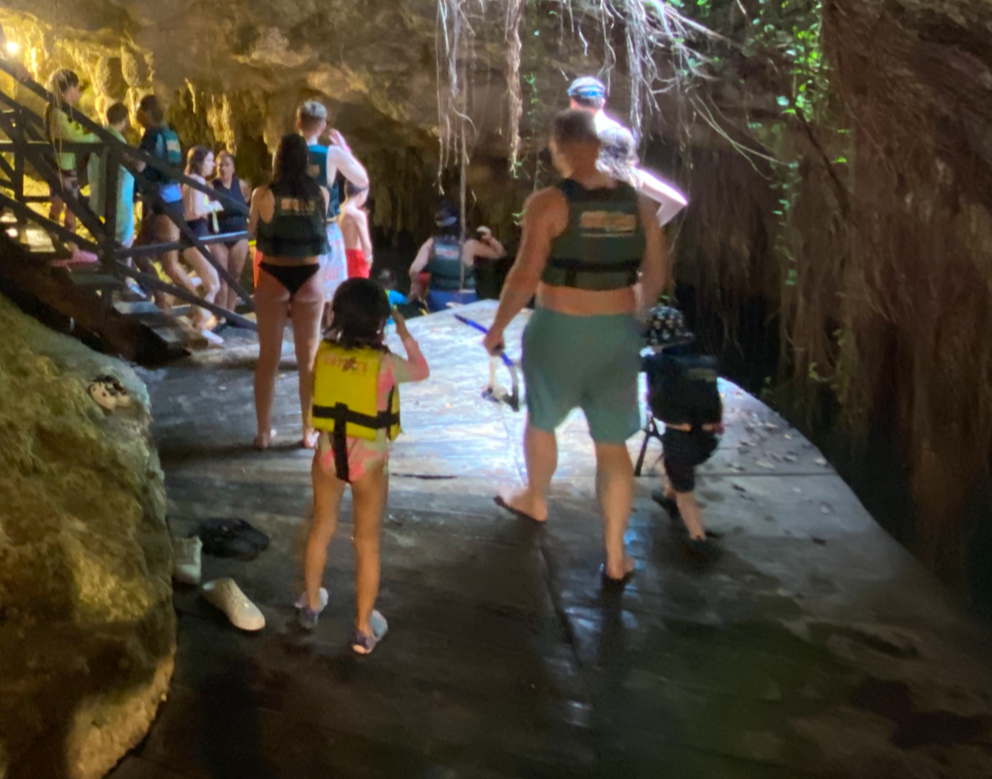
Kelly's son and grandchildren April 2026
With river levels back to normal after several years of low levels, knowing your flotation gear could save your life.
The South Saskatchewan River is running at normal levels again. It crested a few weeks ago and while it's not as fast as it was, it's still flowing at levels we haven't seen in years. For a lot of people in Medicine Hat, that means the river looks different, feels different, and moves differently than what they're used to.
That's why knowing what lifejacket or PFD to wear isn't just a good idea. It could save your life.
What You Need to Know Before You Buy or Borrow
Federal law requires lifejackets or PFDs on board for each person on any watercraft, including kayaks, canoes, paddleboards, and even inner tubes. But having one on board isn't enough; section 5.14(a) of Parks Bylaw 4859 requires you to actually wear it.
Here's the difference between a lifejacket and a PFD:
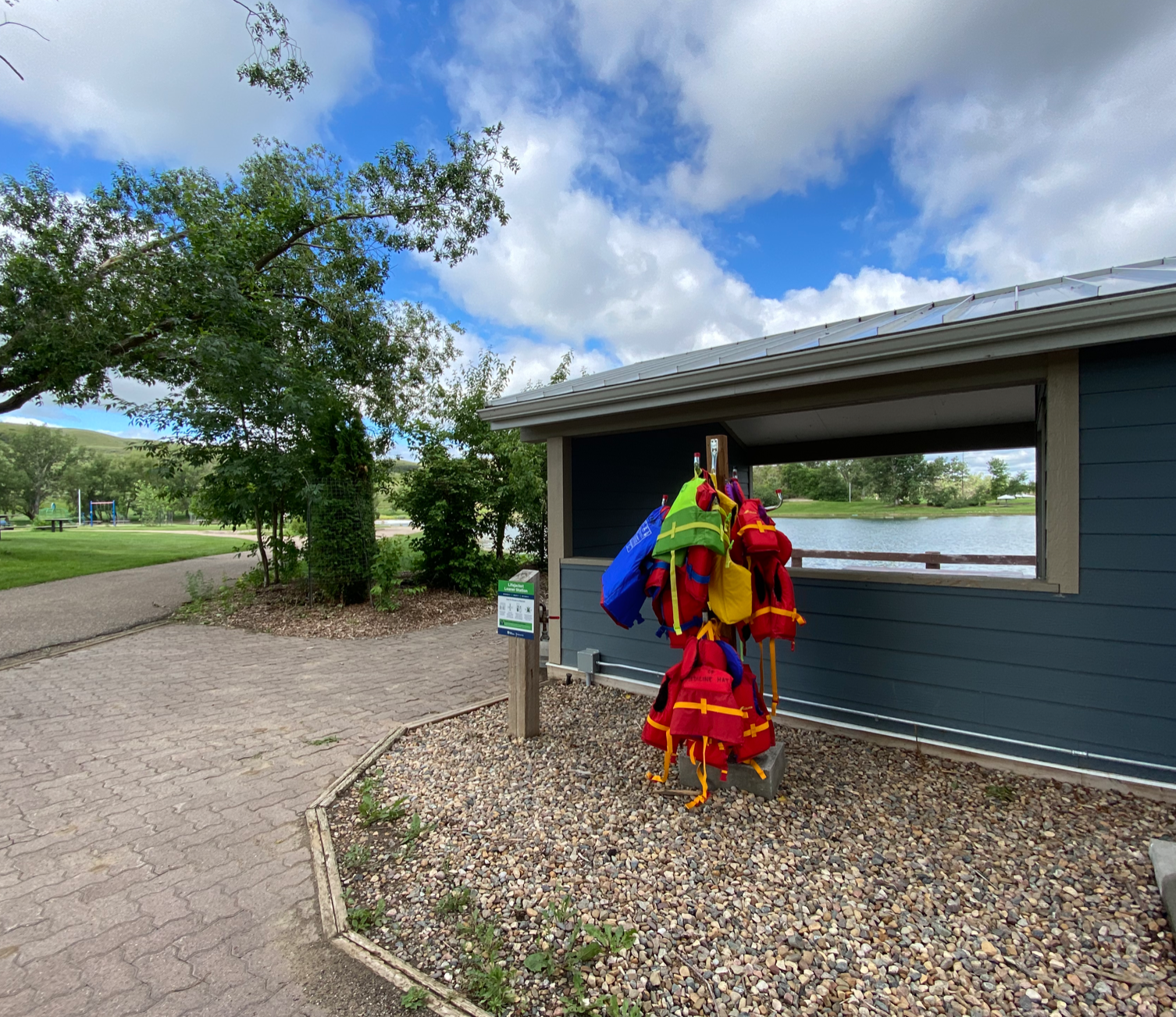
Lifejacket station at Echo Dale Boat lake June 21 2026 - photo Kelly Allard
Lifejackets give you more flotation than most PFDs. They only come in red, orange, and yellow so you're easy to spot in the water. They can turn you on your back in seconds to keep your face out of the water, even if you're unconscious. There are three approved types: SOLAS lifejackets which meet very high standards, Standard Type lifejackets, and Small Vessel lifejackets.
PFDs (Personal Flotation Devices) are lighter, less bulky, and more comfortable for wearing all day. They come in lots of colours and styles for different activities like fishing or paddleboarding. But they usually offer less flotation than a lifejacket and have limited ability to turn you in the water .
Which one is right for you?
If you're on the river with strong currents, a lifejacket gives you more protection
If you're doing an activity where you need to move your arms a lot, like casting a fishing rod, a PFD might be more comfortable
If you're on a personal watercraft like a jet ski, you cannot use an inflatable PFD
Inflatable PFDs are also not allowed for anyone under 16 or weighing under 80 pounds
What to Look For When Buying
Look for the label that says the device is approved by Transport Canada, the Canadian Coast Guard, or Fisheries and Oceans Canada . Without that label, it's not legal and it might not work when you need it.
For kids especially, fit matters more than anything:
There should be less than three inches between your child's shoulders and the device
It should fit snugly and not ride up over their chin or ears
Look for a strap that goes between the legs to stop it from slipping over their head
A large collar gives head support
Reflective tape and a whistle are good safety features
Take care of your gear:
Check it regularly by wading out to waist-deep water and seeing how well you float
Make sure straps, buckles, and zippers work
Dry it in open air and store it in a dry, well-ventilated spot
Don't kneel on it, sit on it, or use it as a fender for your boat
Don't dry clean it – use mild soap and water
Why the River Is Different Right Now
The South Saskatchewan is at normal levels again after a high spring melt. But "normal" here means something different than it has the last few years. The water is higher than it was in recent summers, and the flow rate is stronger. People who got used to the river being low and slow are seeing something different this year.
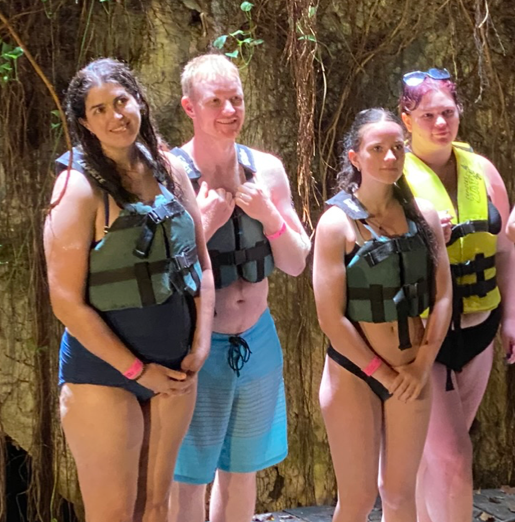
Kelly's family April 2026 - they all know how to swim but they wore the PFDs anyway
That matters because a river at normal flow has more current, more power, and more risk than a low river.
Cold water is another danger. Even in summer, river water can cause cold-water shock when you hit it. That affects your breathing, nerves, and muscle strength. A lifejacket gives you thermal protection as well as keeping you afloat.
Most people who die in boating accidents in Canada each year are not wearing a flotation device, or they're not wearing it properly. In many cases, the lifejacket or PFD was on the boat but not being worn.
What The Medicine Hat Owl Is Doing About It
Owl News is leading a community effort to put self-serve lifejacket loaner stations at boat launches along the South Saskatchewan. The plan is to put them at the Maple Avenue Bridge launch, Strathcona, and the unofficial launch under the TransCanada Bridge.
(We just discovered today that there IS a lifejacket station at the Echo Dale boat launch but it is not very visible.)
Anyone can take a lifejacket, use it, and return it. No paperwork. No hassle.
We're also planning a big push to post water safety messages wherever people access the river. The goal is to change the culture here so that grabbing a lifejacket becomes as automatic as grabbing your sunscreen.
"We grew up on the coast and water safety was drilled into our heads from childhood," says the Owl News team. "We don't have that same culture here yet. We want to change that."
How You Can Help
The loaner station project is looking for donations of new or gently used Transport Canada-approved lifejackets and PFDs, cash to buy more and build the stations, and materials or labour to help construct the weatherproof boxes.
All donations are tax-deductible through Owl News's non-profit status.
The best lifejacket is the one you're actually wearing. Right now, with the river running at levels Medicine Hat hasn't seen in a while, wearing one matters more than ever.
To donate or get more information, contact Owl News at 1-888-600-7029 or use the contact portal on our website.
