

3 Years, 2 Applications: Medicine Hat's TNR Clowder-F*ck
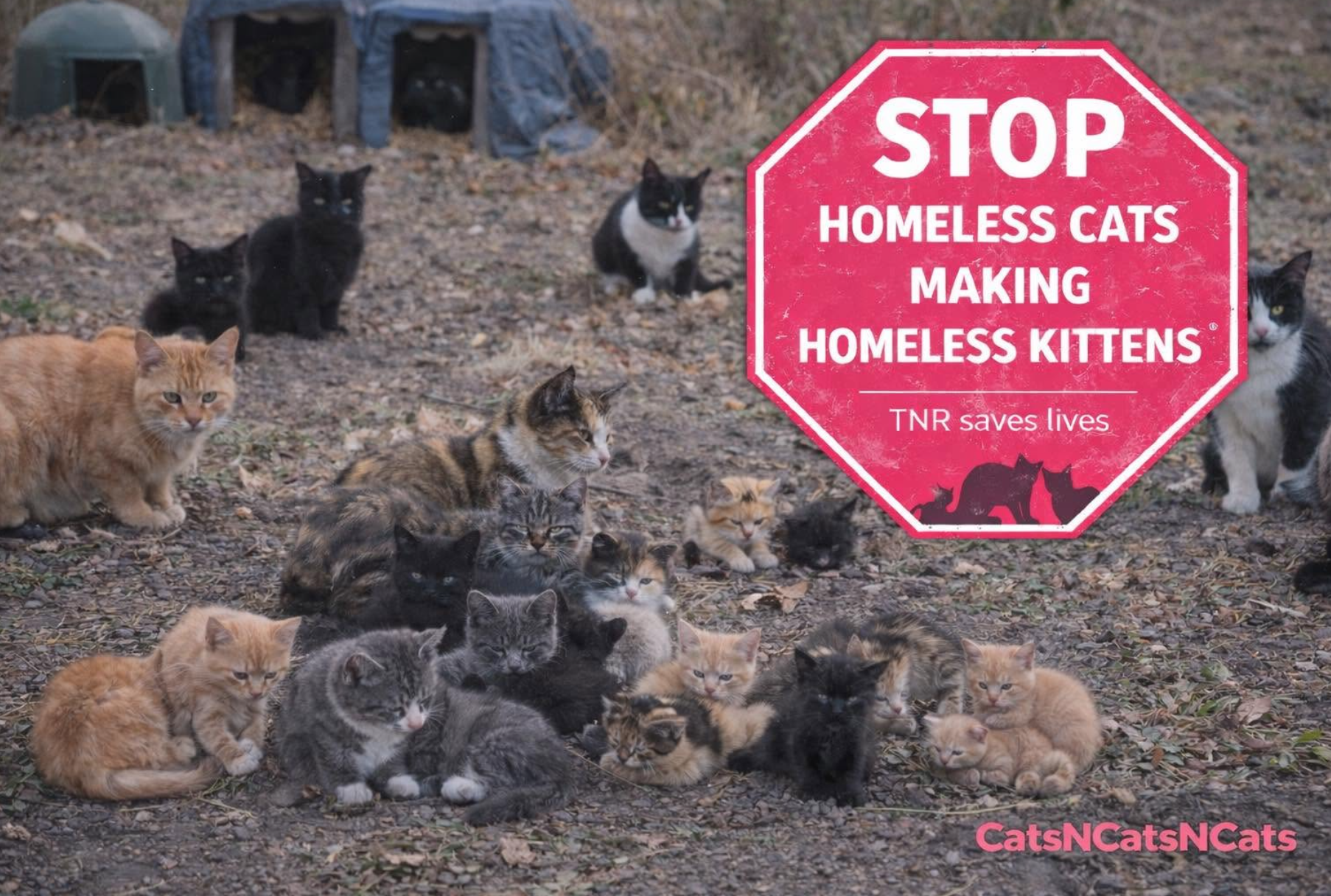
Courtesy of CatsNCatsNCats
Three years ago Friday, Medicine Hat City Council gave first reading to Bylaw 4791 (over 1000 days ago). Like many Medicine Hat residents, supporters of community cats believed meaningful change was finally coming.
Today the numbers tell a different story. According to Leah Prestayko, the City's acting managing director of public services, only two applications for Trap Neuter Return programs have been submitted since the bylaw was passed. The first took months to approve. The second, more recent application, was approved in just two weeks after changes were made to the process.
But understanding why so few groups have applied means understanding the long road it took to get this bylaw passed - and the policies that are still allowing the problem to grow.
A Bylaw That Took Years to Pass
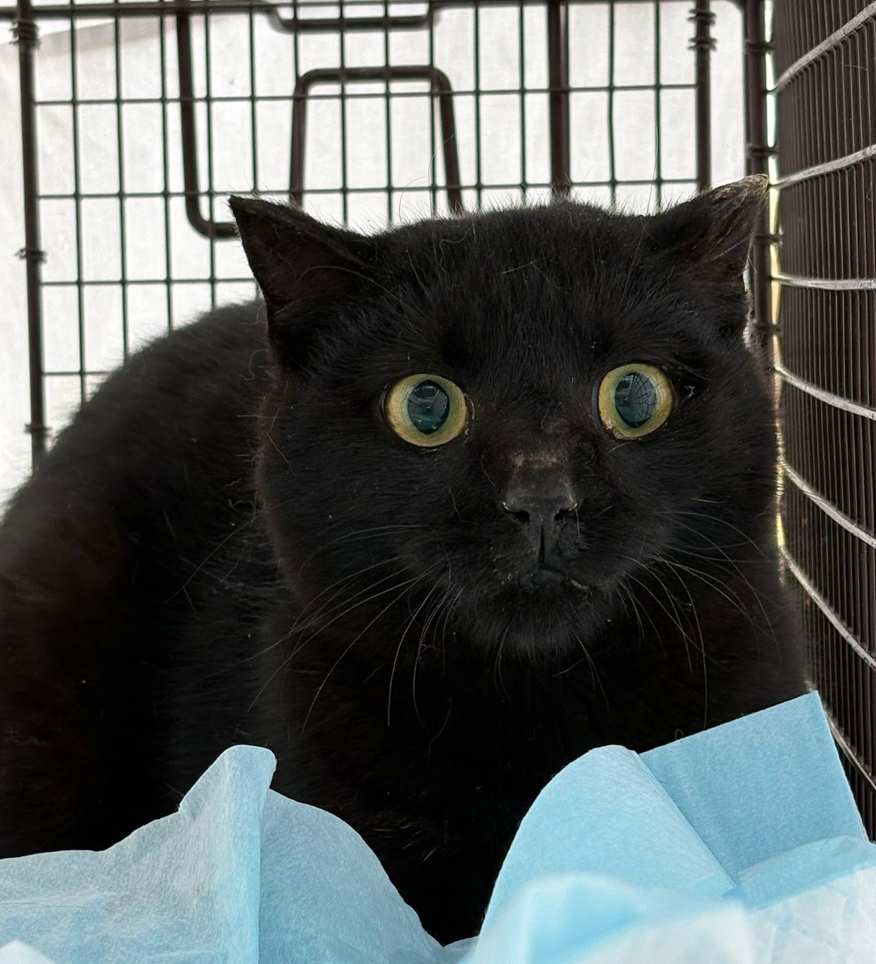
Courtesy of CatsNCatsNCats
Getting TNR approved in Medicine Hat was not a quick or easy process.
The city was not asked for money, just permission to get it done as it was illegal for this to happen - groups were already allowed to trap and neuter cats; it was the return part that was the sticking point.
Council members did not fully understand the benefits of Trap Neuter Return.
Some thought it was cruel to return cats to the outdoors.
One council member jokingly (at least we hope so) suggested hunting tags.
Another actually believed feral cats could be tamed.
A fourth brought a cherrypicked study to the council table showing why it did not work.
The amount of time spent on this one issue where there was no request for funding was ridiculous.
Councillor Andy McGrogan made an effort to reach out to advocates on this issue as he was conflicted. Once he learned more, he changed his mind and ultimately supported it.
About taming feral cats - Some cats can be socialized, but typically only if they had been pets before. Kittens born to feral mothers can become friendly pets if they are captured early enough but feral adult cats rarely adapt to living indoors with people.
The Application Problem
When the bylaw finally changed in August 2023, it opened the door for humane societies and their affiliates to submit proposals to run TNR programs. The first approval process took months.
Female cats reach sexual maturity at 4 months of age and can reproduce three times a year.
The rescue agencies communicate with each other. When one organization had to wait months for approval, others took notice. It's reasonable to assume that other agencies simply didn't bother applying.
While Medicine Hat reportedly requires an RFP like proposal, other communities do not require applications. The first application took months to approve. By then you already have another batch of kittens that did not have to be born. Council may have had good intentions at the time they passed the bylaw, wanting all the boxes to be ticked, wanting to protect the cats but they went too far. They created a barrier instead of a path forward.
What the Bylaw Says
The Responsible Animal Ownership Bylaw - Bylaw 3935 - only allows Trap Neuter Return through a formal approval process. Section 38.1, added in August 2023, permits Humane Society members to trap and return cats only if their program has been approved in writing by the City's Director of Parks and Recreation. The program must follow terms set by the Director and meet standards from the Alberta Veterinary Medical Association.
Anyone carrying out TNR activities must provide proof of authorization if asked by a Bylaw Enforcement Officer. Without approval, private citizens who trap, neuter, and return cats can be fined.
Again, the City does not fund these programs - it only approves them. This puts the entire burden on rescue organizations to apply, wait for approval, and pay for the surgeries themselves.
A TNR Program in Action: What It Actually Looks Like
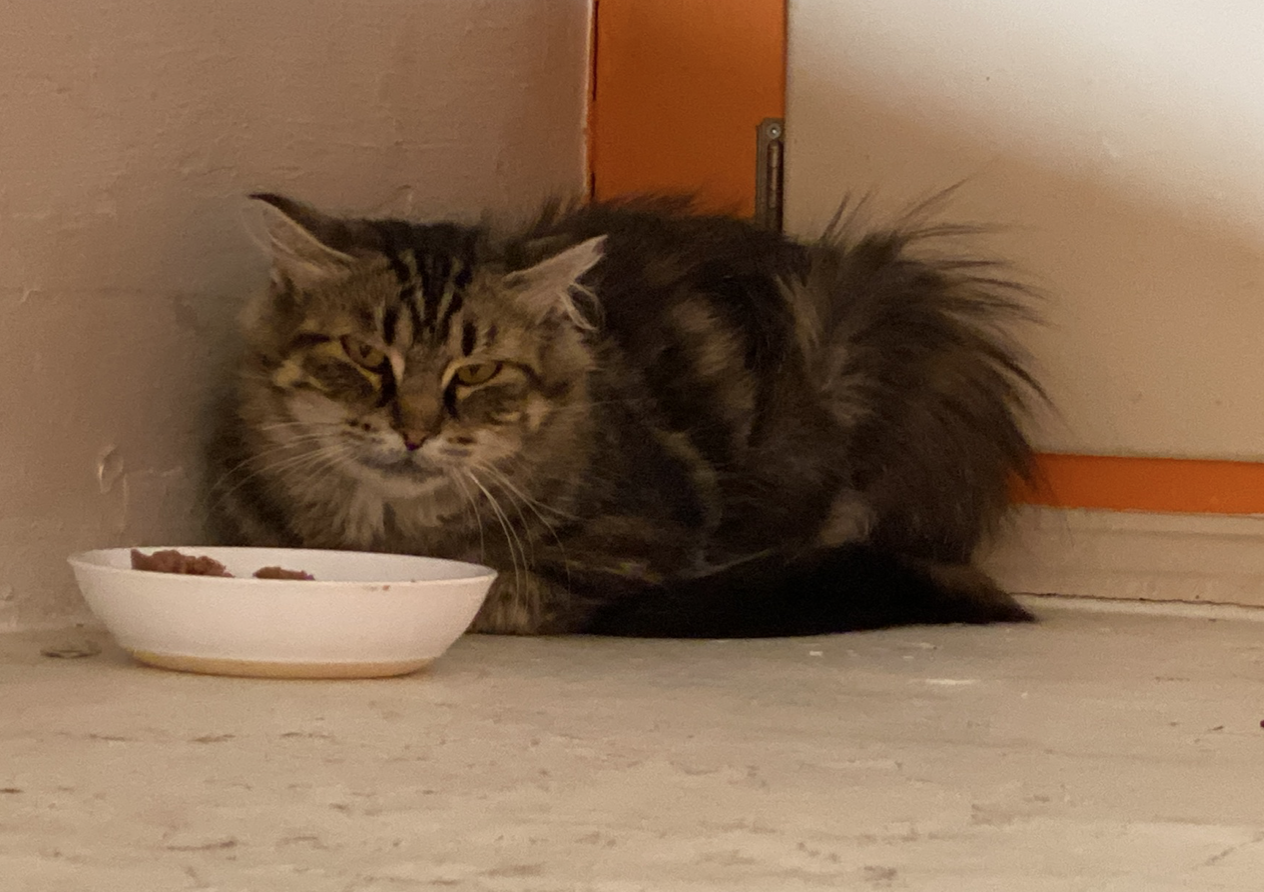
This feral momma was returned, her babies were adopted. Photo - Kelly Allard
When a cat goes through a TNR program, it's not just a simple surgery. The cat is:
Spayed or neutered
Vaccinated against rabies and other diseases
Microchipped for identification
Given an "ear tip" - a small notch in the ear
This ear tipping is critical because it prevents cats from being trapped again unnecessarily.
For the cats, it means they go back to their colonies healthy, vaccinated, and unable to reproduce.
For the community, it means fewer kittens born on the streets, fewer cats entering the pound, and lower costs for taxpayers.
Beyond Population Control: Other Benefits
Spaying and neutering doesn't just prevent unwanted litters. It also makes life better for everyone in the neighbourhood.
Unfixed male cats spray urine to mark their territory. The smell is strong and unpleasant, and it can linger for years. They also fight with other males over access to females, leading to injuries, abscesses, and vet bills that someone eventually has to pay.
Unfixed female cats go into heat and yowl loudly to attract males - often at three in the morning. Anyone who has lived near a female cat in heat knows the sound is almost impossible to ignore and can go on for days.
The Reality on the Ground
Layla Vickerson runs CatsNCatsNCats, a 100% volunteer-run organization that has been helping community cats across southeast Alberta. She shared what daily life looks like for her team.
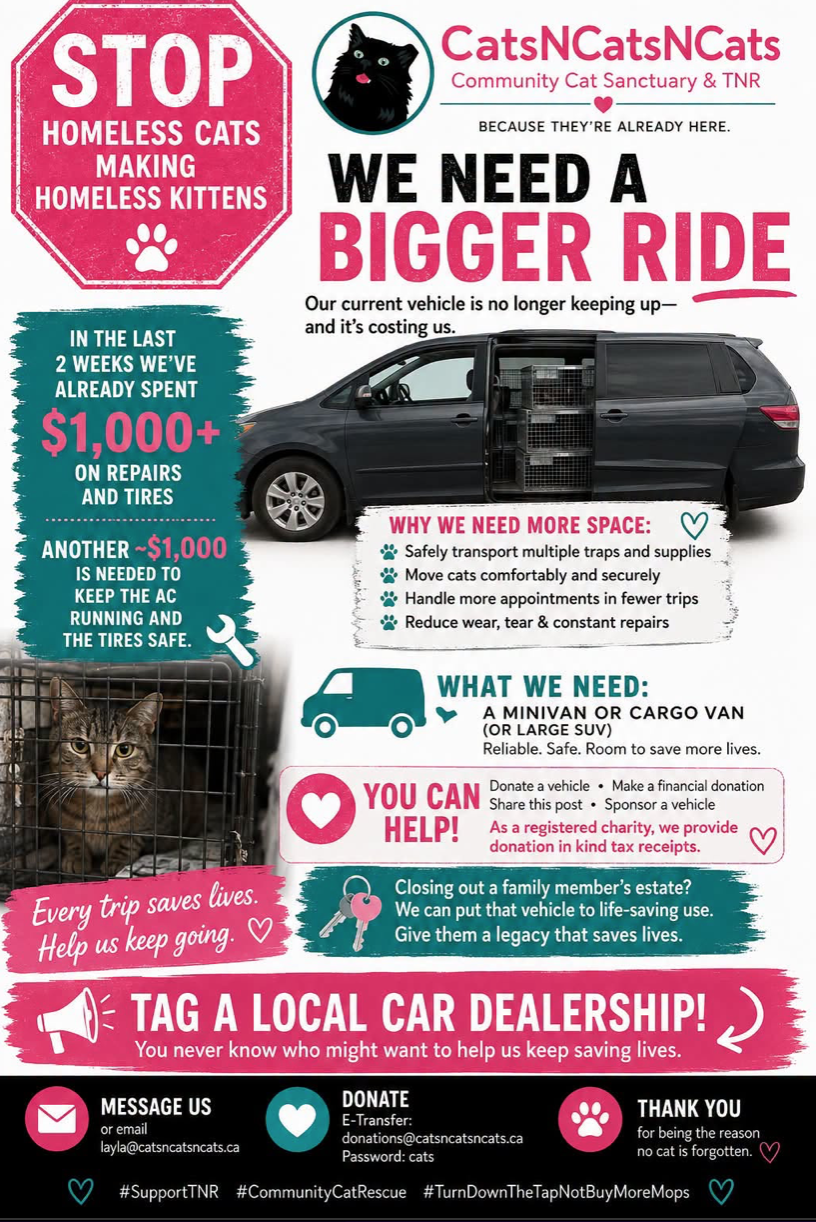
Courtesy of CatsNCatsNCats
"We are insanely busy," she said. "Even if it's not within the city today, I will put on no less than 300 km returning cats that have been through surgery, providing food to people that are feeding outside cats, picking up a dumped cat from an independent rescuer. My time is extremely limited and it's full with the cats that we are helping."
She described the scale of their work. "Next week we are trapping, transporting and doing spay and neuter for about 20 to 30 cats plus all of the kittens that are at those locations. We do have the intention of 50 cats between now and the end of the month, which means I have almost no time."
Despite this workload, she said her organization is still trying to work with the City. "We are still trying very hard to work with the city and we won't stop advocating for change," she said. "But we helped thousands - just not here - because of how the city has structured this program."
The organization often partners with AARCS Animal Hospital for surgeries. A single trip to the hospital becomes multiple opportunities: they can check on colonies that have been waiting, pick up moms and babies that need rescue, transport friendly cats to rescue partners, and help even more cats in one scheduled surgery run.
For the last two years, volunteers have donated their personal vehicles. Before CatsNCatsNCats was officially incorporated, they helped more than 300 cats in 2024 alone. Today, about 90% of the driving on their personal vehicles is for rescue work.
That includes:
Veterinary appointments throughout southeastern Alberta
Transporting kittens to rescue partners, often in Calgary
Driving cats to and from large-scale TNR surgery clinics
Delivering food every month to colony caregivers
Hauling humane traps, recovery kennels, food, and supplies
Responding to calls wherever community cats need help
The organization is hoping to find a larger vehicle - ideally donated - to help them manage the growing workload. Their current vehicles are wearing out from the constant driving, and a larger vehicle would allow them to transport more cats and supplies in one trip.
What Happened While Medicine Hat Waited
To understand why advocates are frustrated, consider what happened during that first months-long approval process.
Vickerson described the experience in a recent social media post. "When one section of the colony dropped from around 15 cats to only five in just a matter of days, everything changed. It had already been more than two months since we completed the initial colony assessment. We no longer felt we could continue waiting. The cats couldn't, so we trapped them."
The organization trapped the cats - not because the approval process was complete, but because the cats needed help. Some received urgent medical care. Some, like Colonel Cheeks, finally had a chance to fight for their lives. For others, the greatest kindness they could offer was a peaceful goodbye.
"This was never the plan," Vickerson wrote. "The plan had been to stop homeless cats making homeless kittens before these litters were ever born."
That colony didn't end when the pilot project did. Volunteers continue to support those cats today. When they're sick, they're there. When they're injured, they're there.
But many cats didn't survive the wait.
One More Thing That Needs to Change
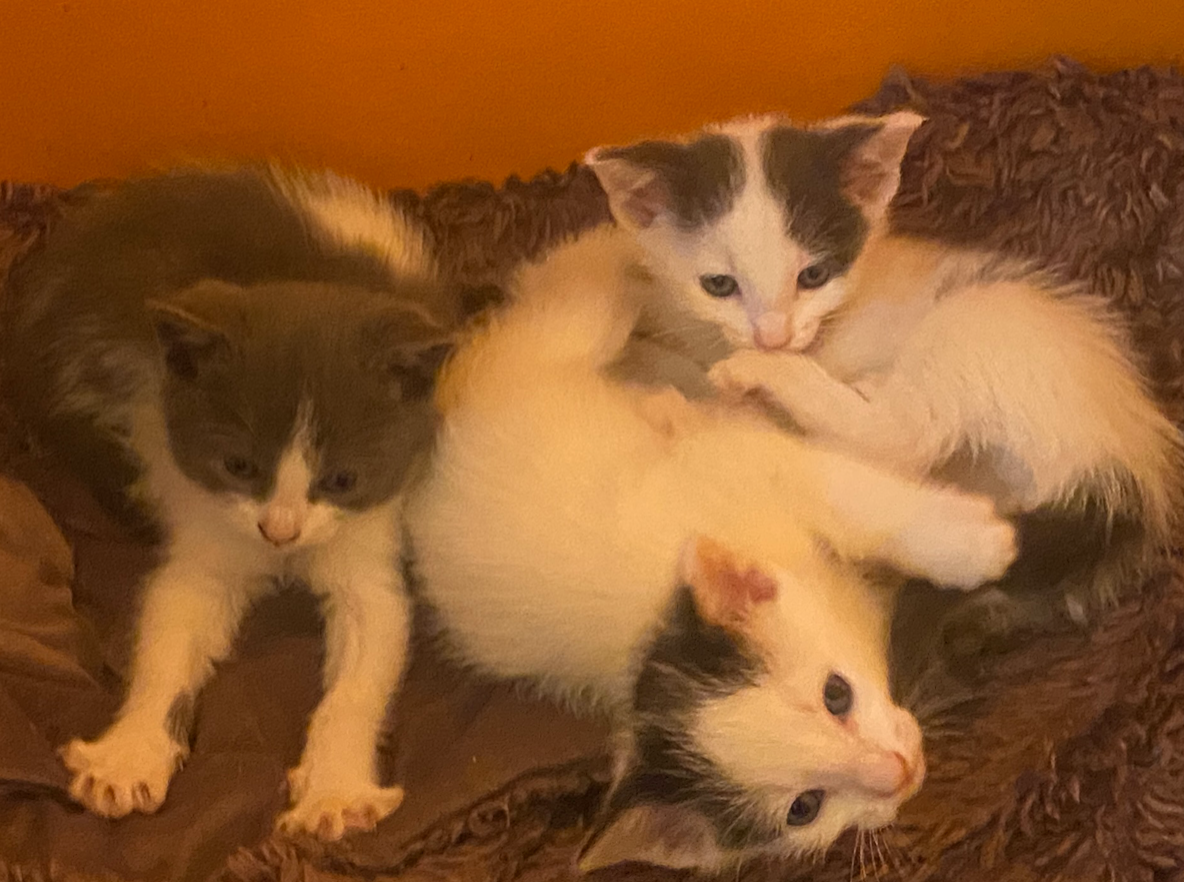
Foster kittens - Photo by Kelly Allard
There is another issue that advocates say was making the problem worse: when the local pound was run by APARC, they allowed people to adopt kittens that were not spayed or neutered.
Adopters were given a coupon for a certain amount off a spay/neuter surgery and were asked to promise to get the cat fixed later - but a promise is not a guarantee.
No unaltered animal should ever be allowed to be adopted.
Reportedly this policy was changed and now all kittens are altered before adoption.
Animal Pound Services has frequently been at capacity and could not take in more animals.
When shelters are full, cats are turned away - and those cats continue to reproduce.
The Spring Problem
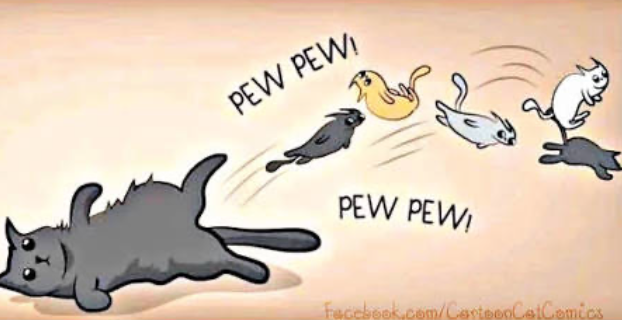
Credit - Cartoon Cat Comics
Ask anyone who works with community cats:
spring is when everything changes.
Spring is commonly known as kitten season.
The gestation period is only about 9 weeks.
This meme says it all.
Understanding Why TNR Works
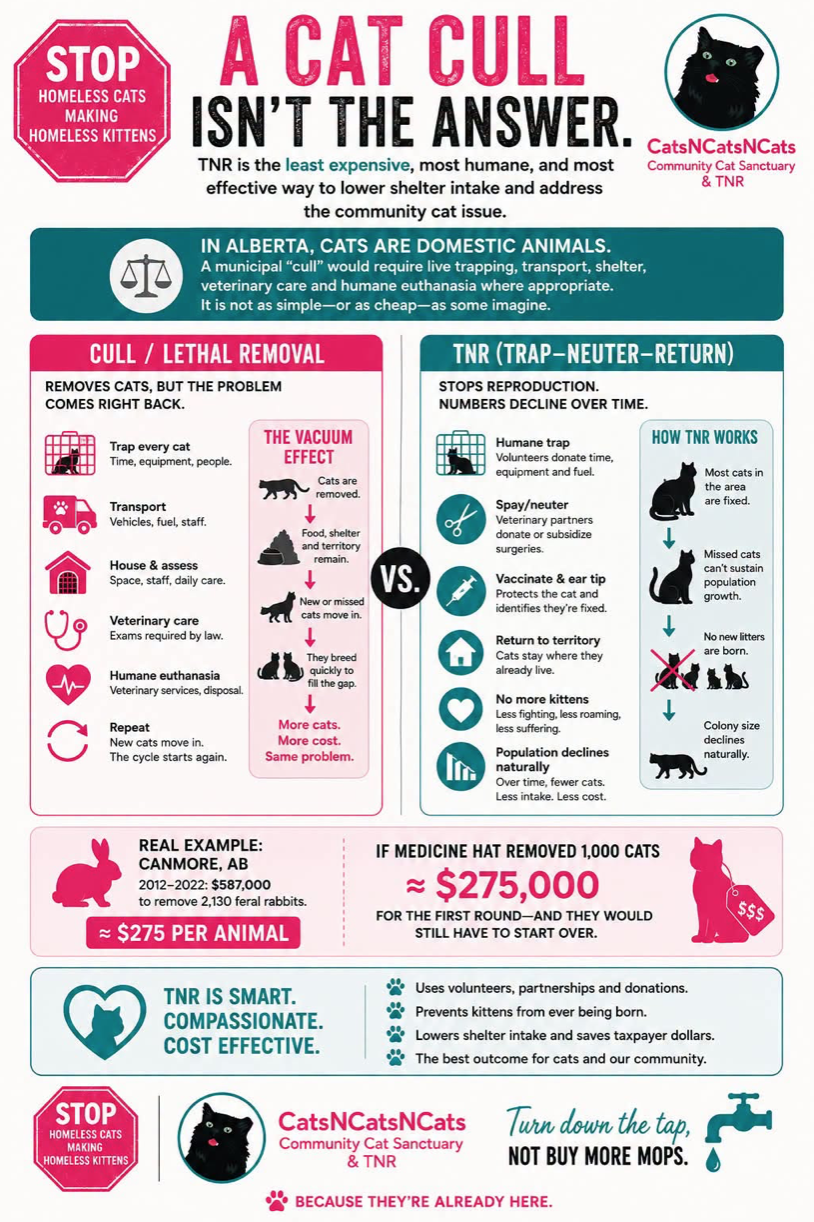
One question that keeps coming up is: "Why don't we just cull the cats?"
A cull puts more than just community cats at risk. House cats allowed to roam outdoors could be caught up in the effort. If poison is used - and poison has been used in the city before for pigeons - it risks harming wildlife and pets.
Courtesy of CatsNCatsNCats
Then comes the biggest problem: the vacuum effect.
Even if you remove almost every cat, it only takes a few that were missed, abandoned, or that move in from nearby areas to start the cycle all over again.
Food and shelter are still there.
Nature fills the gap.
Taxpayers end up paying to remove cats again and again.
TNR works because it changes one thing that a cull doesn't: it stops reproduction.
Even if a few cats are missed, they are surrounded by sterilized cats that aren't producing litter after litter.
As more cats are fixed, fewer kittens are born, shelter intake drops, nuisance complaints decrease, and the population naturally declines over time.
That's why communities around the world use TNR.
Not because it's the easiest.
Not because it's the cheapest today.
Because it's the least expensive way to solve the problem for tomorrow.
TNR Alone Is Not Enough
TNR cannot do the job on its own. It must be used alongside other tools.
The City of Medicine Hat already supports a Low Cost Spay/Neuter program through the Medicine Hat SPCA.
This is critical - making spay and neuter affordable helps responsible pet owners prevent unwanted litters before they become a community problem.
Enforcement of cats at large is another important piece. It is a well known phenomenon that when cats with families get picked up, they are rarely returned to them. Many guardians write them off and go and get another cat or kitten. In 2018, the City of Calgary put out a news release saying that while 84% of dogs were returned to their owners, only 34% of the cats made it home. One of the reasons is that most dogs are licensed, most cats are not. Animals that have a microchip have a much better chance of being reunited with their family.
About the Barn Buddy program - This is for feral cats that cannot be socialized. Cats that are hopelessly feral can be placed in barns where they have shelter, food, and a job keeping rodents away. That program is saturated; there are more feral cats than barn placements available.
The Need for Public Education
The City needs a more vigorous public relations campaign about spaying and neutering.
Sure, people are being shamed on social media for not altering their animals, but that is not enough. Shaming does not educate. It does not explain why spaying and neutering matters. It does not help people understand that letting cats roam freely leads to unwanted litters.
The City is responsible for educating residents about responsible pet ownership. That means clear, consistent messaging about the importance of spaying and neutering, the consequences of letting cats roam, and the availability of low-cost options.
A Broken System
Right now, any private person who takes it upon themselves to trap, neuter, and return a community cat in their own neighbourhood can be fined. There is no legal pathway for individuals to help - only through a formal application process that has produced just two applications in three years.
Vickerman told the Owl
If the city’s goal is to actually lower shelter intake, then yes, the Canadian Animal Task Force is the best group to handle that. They do on-site spay and neuter clinics. Hundreds of cats are spayed and neutered in one day - volunteer vets, volunteer RVT, volunteer trappers. It’s an amazing experience. If the city is serious about wanting TNR they should reach out to the biggest experts in our area.
Vickerman says that there is a fee associated with calling in the Canadian Animal Task Force (CATF) but it would be pennies on the dollar compared to what they are already spending. She says
…there is no paperwork to fill out. It is essentially a request for proposal with zero funding provided by the city …that’s the amount of information they want… they want names addresses, phone numbers of every single person that feeds a cat.
CatsNCatsNCats is triaging right now, figuring out where they can help the most. They are doing what they can but they do not have the resources that the Canadian Animal Task Force does.
Vickerman said that last fall in Brooks CatsNCatsNCats trapped 37 cats and kittens.
Only 9 were considered to be feral and were returned to the colony, 28 went to rescues.
2 of the 9 were determined to be friendly and they also went into rescue.
2 more of the 9 needed medical care - one senior cat died; the other warmed up to people so he also went into rescue.
Recap
37 cats/kittens trapped
1 died
5 returned to the colony
A total of 31 cats/kittens went into rescues
At last years event in Cypress County with the CATF, in a few days they did
72 Cat Spays
81 Cat Neuters
199 Total Cats Helped
What the Future Holds
The City says it is open to more applications. The second application was approved much faster than the first, suggesting the process can work more smoothly than it did initially.
But questions remain:
Is TNR happening at the scale needed to reduce suffering?
Is it happening at the scale needed to reduce shelter intake?
Is it happening at the scale needed to reduce costs to taxpayers?
The answer to all of these is a big fat
NO
The City has taken over operation of the Animal Pound Services facility after rejecting proposals from third-party operators. That gives the City more direct control - and more direct responsibility - for animal welfare in Medicine Hat.
Community cats have already waited 3 years. Residents who believe the city is not where it should be can reach out to City Council and ask what comes next.
As CatsNCatsNCats puts it: "Turn down the tap, not buy more mops." The goal isn't about removing every cat. It's about making sure there are no new kittens to replace them.
Bottom Line
TNR advocates say that Medicine Hat does not need to reinvent the wheel. Requiring a proposal made from scratch creates a barrier meaning more cats and kittens will die in the meantime.
TNR advocates say the City needs to ditch the application requirement, bust open their chequebook and make a call - to the Canadian Animal Task Force.
More Info About TNR
For more information on community cats and the TNR effort - readers can visit CatsNCatsNCats on social media.
CatsNCatsNCats Educational Facebook album
CatsNCatsNCats on TikTok
CatsNCatsNCats on Linktree:
If you want to donate, send an email to
Donations@catsncatsncats.ca
Resources
Canadian Animal Task Force
A Calgary-based registered charity that partners with communities to humanely manage companion animal populations. They can spay and neuter 100 cats in a single day. Communities across Alberta and Saskatchewan have used their services to quickly reduce feral cat populations.
Website: cataskforce.org
Phone: 403-809-9707 or 403-797-3647
Email: generalinquiries@cataskforce.org
Medicine Hat SPCA
Offers a Low Cost Spay/Neuter Program (SNAP) for residents facing financial barriers. The shelter also provides rescue, rehabilitation, and adoption services.
Website: medhatspca.ca
Location: 55 Southwest Drive S.W., Medicine Hat, AB
AARCS Animal Hospital
Partner organization that provides surgical services for community cat TNR efforts across Alberta.
Alberta SPCA
Provides animal welfare services across Alberta.
Website: albertaspca.org
CatsNCatsNCats Community Cat Sanctuary & TNR
A 100% volunteer-run organization helping community cats across southeast Alberta. They provide TNR services, colony support, and rescue for abandoned and feral cats.
Facebook: CatsNCatsNCats Community Cat Sanctuary & TNR
People For Animals of Saskatchewan Inc.
Regina-based charity focused on rescuing, trapping, spaying/neutering, and educating to support the welfare of cats in Regina and surrounding communities.
SCAT Street Cat Rescue Program Inc.
Saskatoon-based organization rescuing, fostering, and rehoming stray and feral cats and kittens since 1996.
SPCA Swift Current
A no-kill, community-operated shelter that includes spay and neuter requirements in every adoption contract. Animals are never euthanized to make space.
Website: spcaswiftcurrent.com
Humboldt and District SPCA
Saskatchewan shelter that runs innovative fundraising campaigns to support spay and neuter programs.
Emergency Boarding Services
If you or someone you know is experiencing a crisis and needs temporary care for a pet:
Alberta SPCA / Calgary Humane Society
Provides short-term, no-charge housing for pets belonging to individuals experiencing domestic violence, fire, flooding, hospitalization, incarceration, or rehabilitation. Includes vaccinations and mandatory spaying or neutering.
