Walking for Respect: the Citizens Walk about
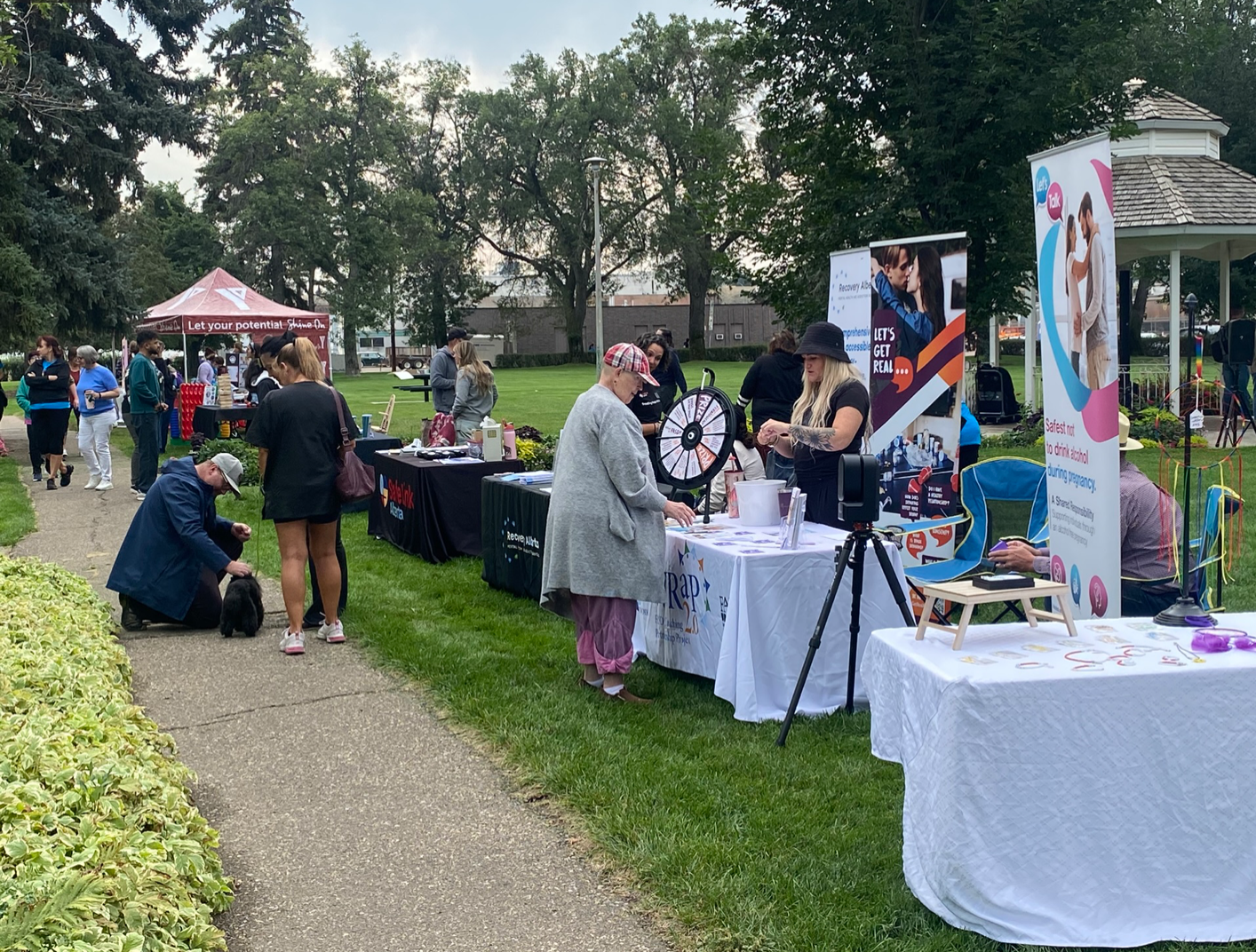
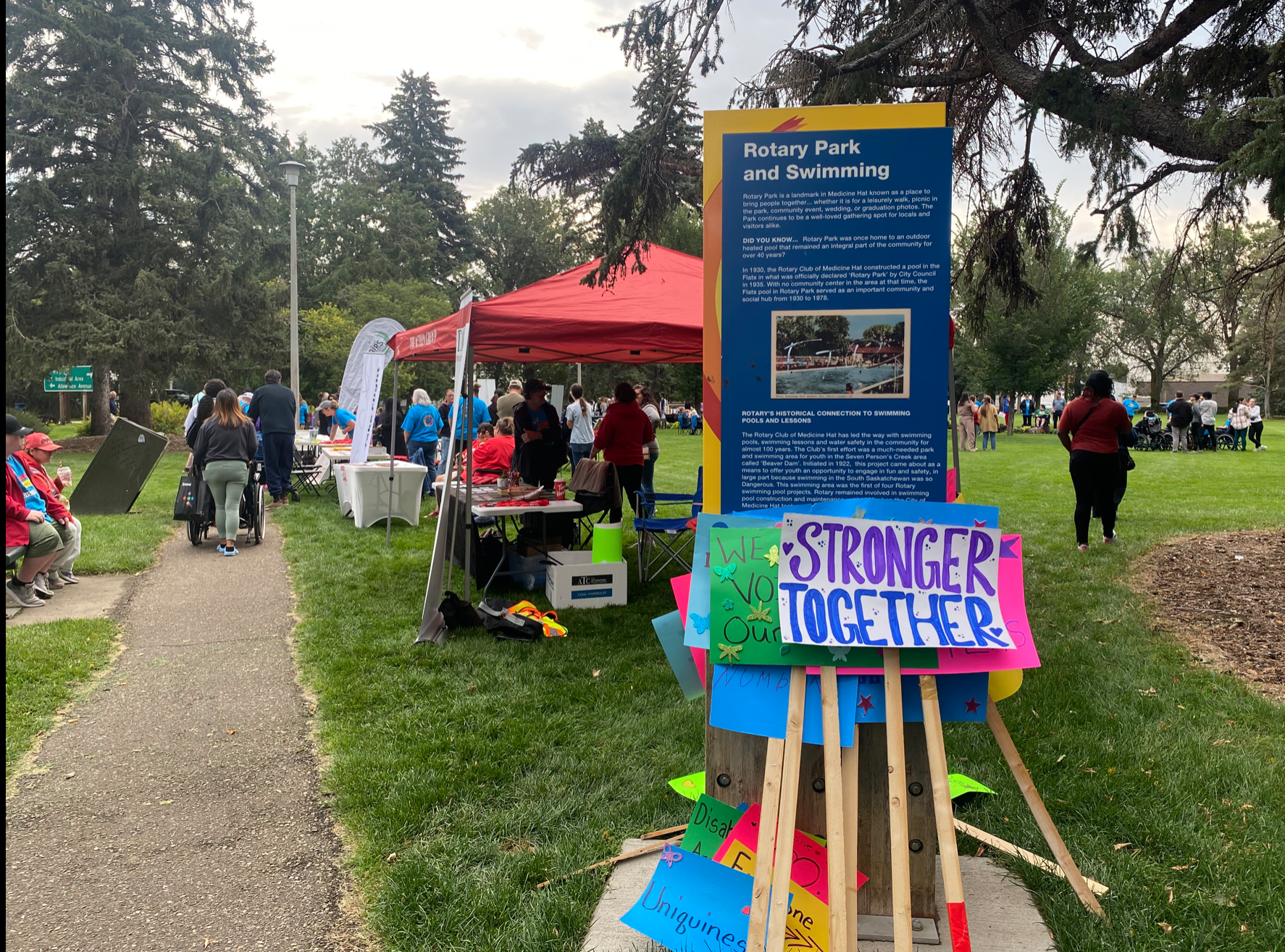
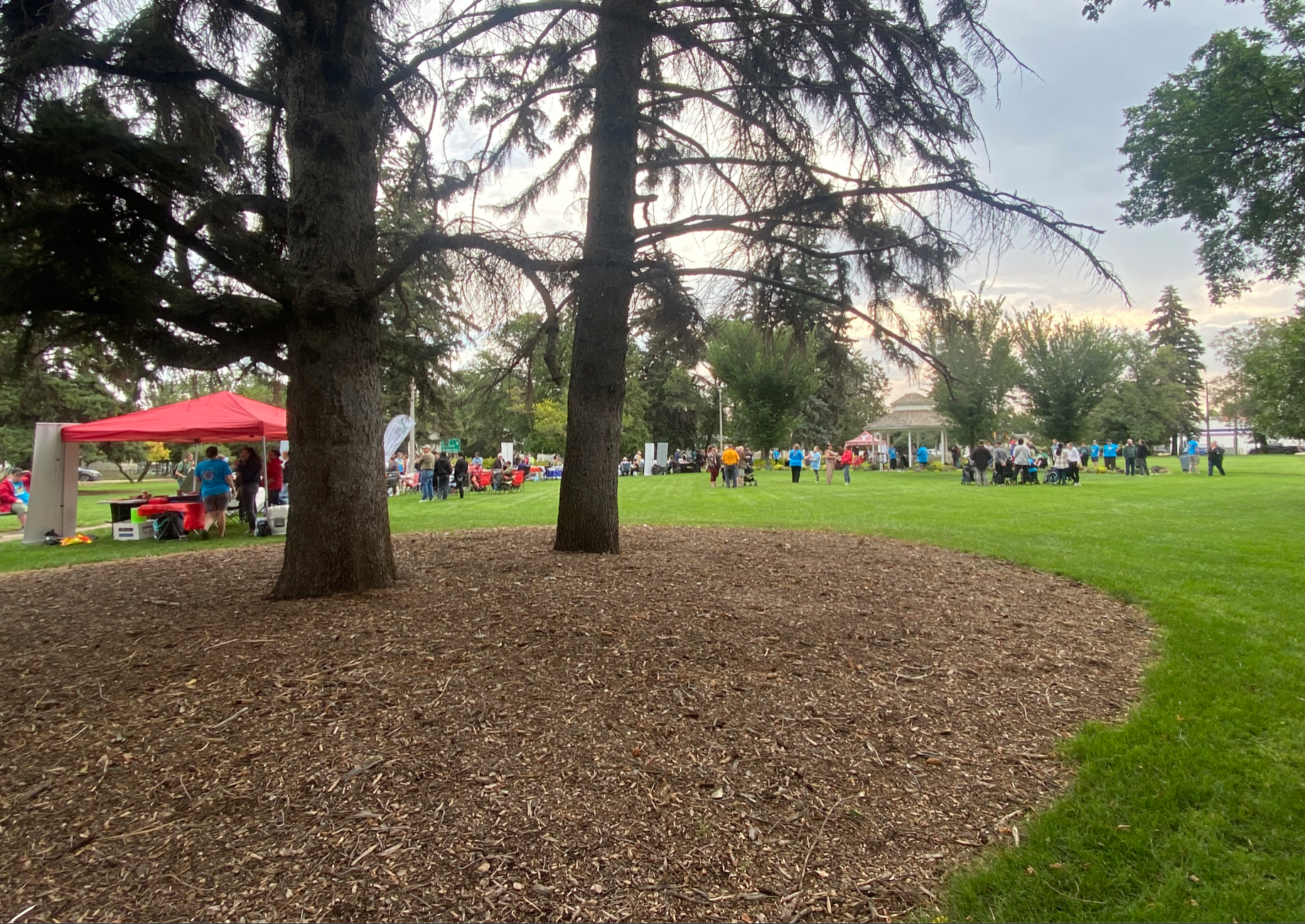
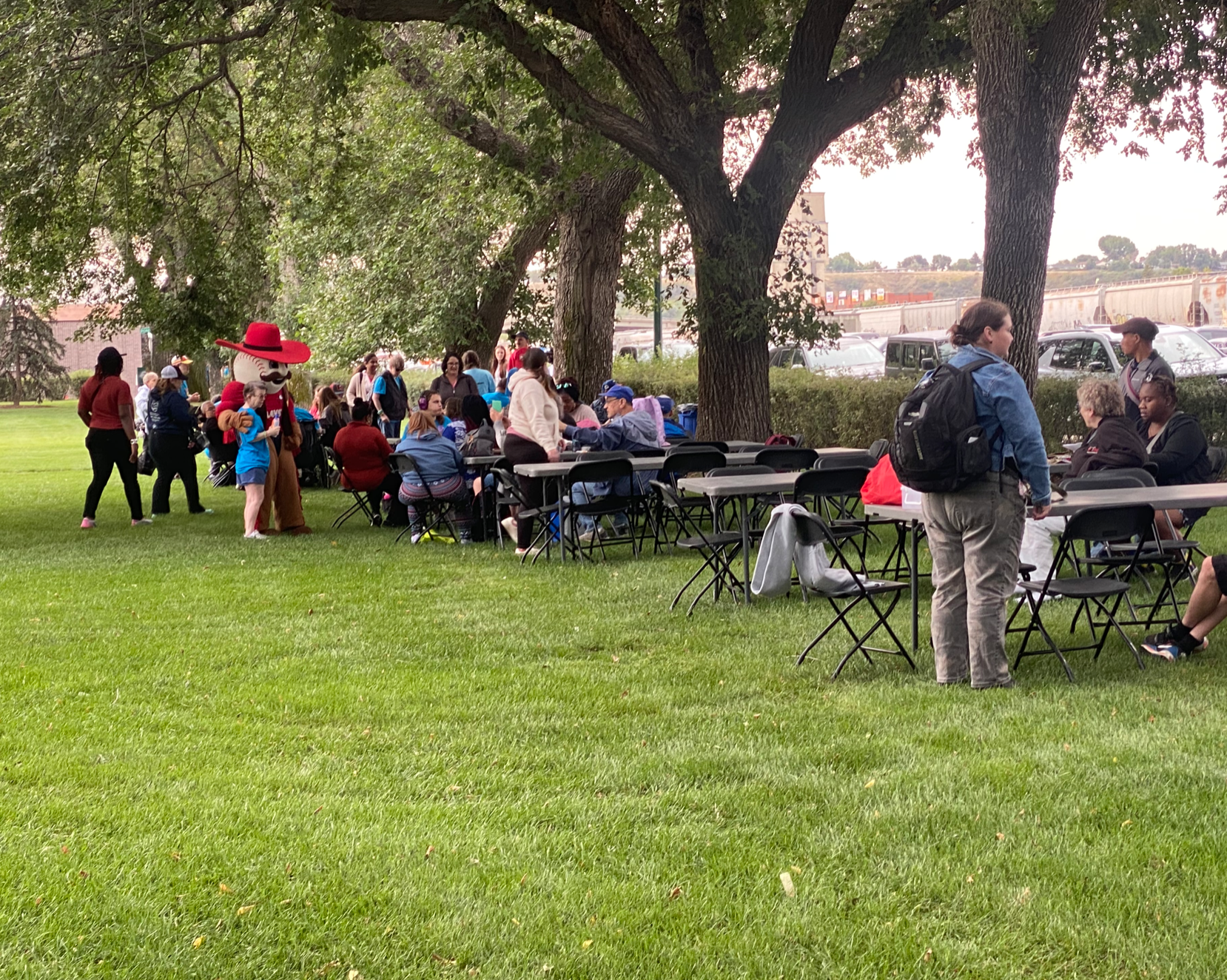
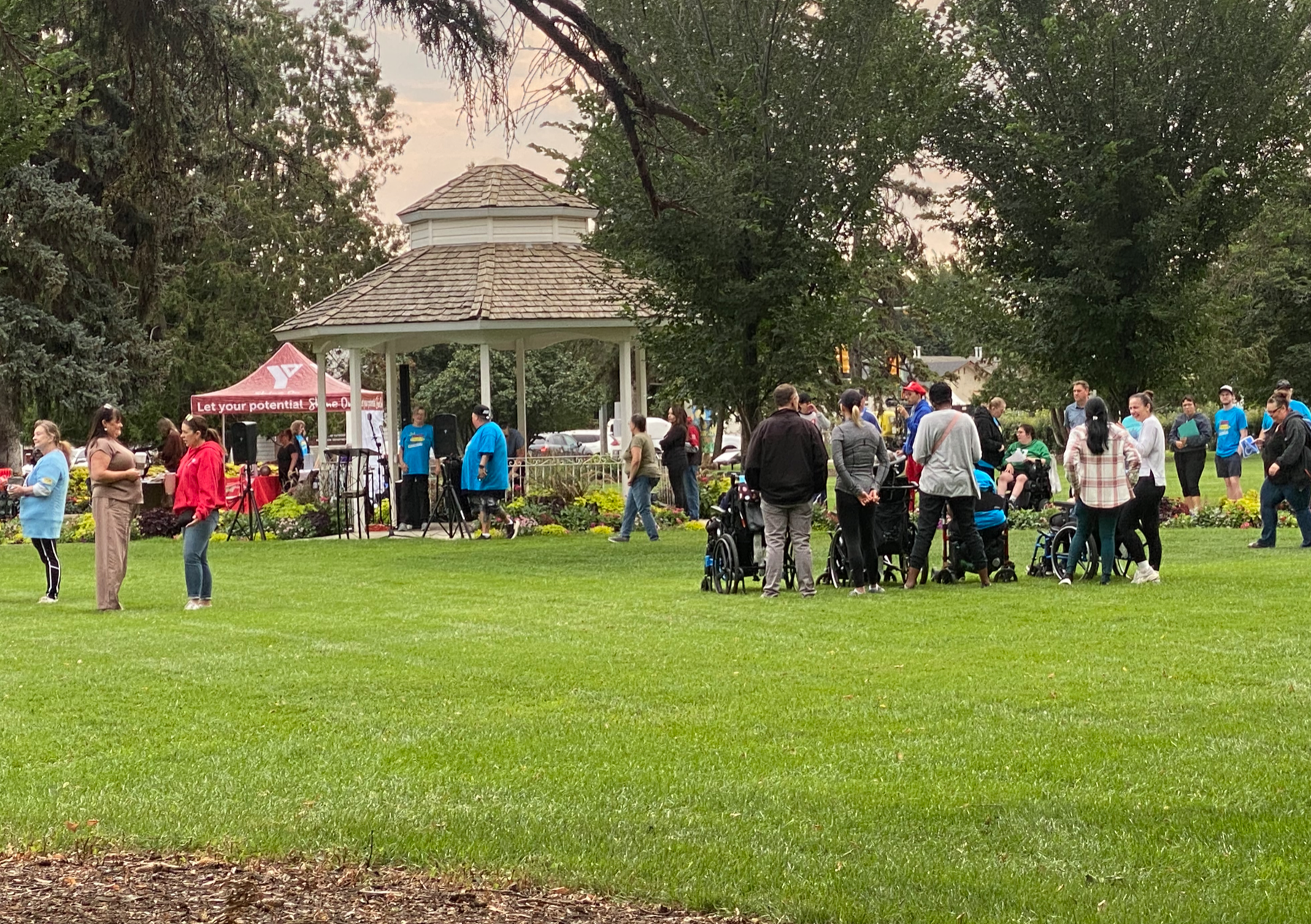
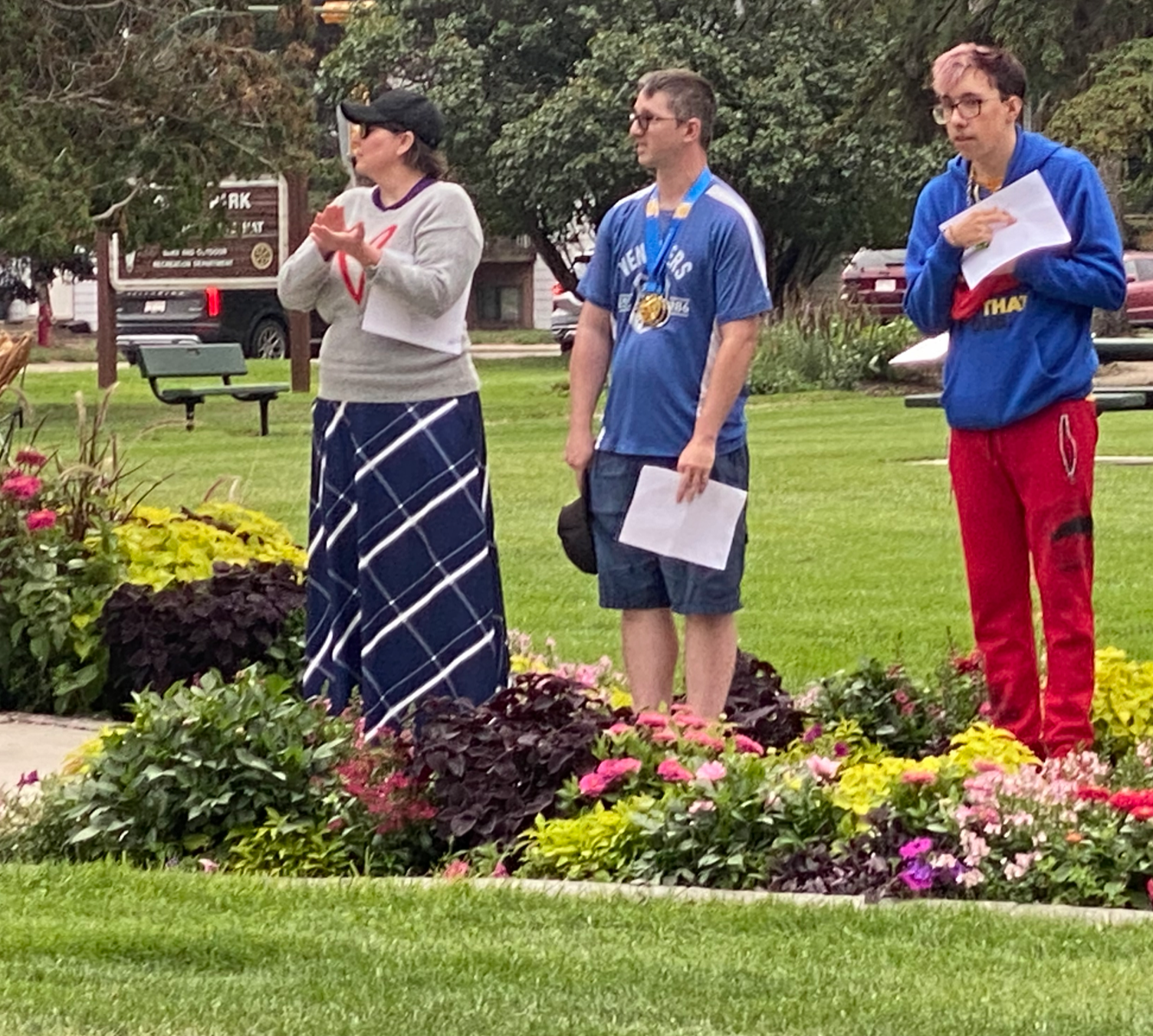
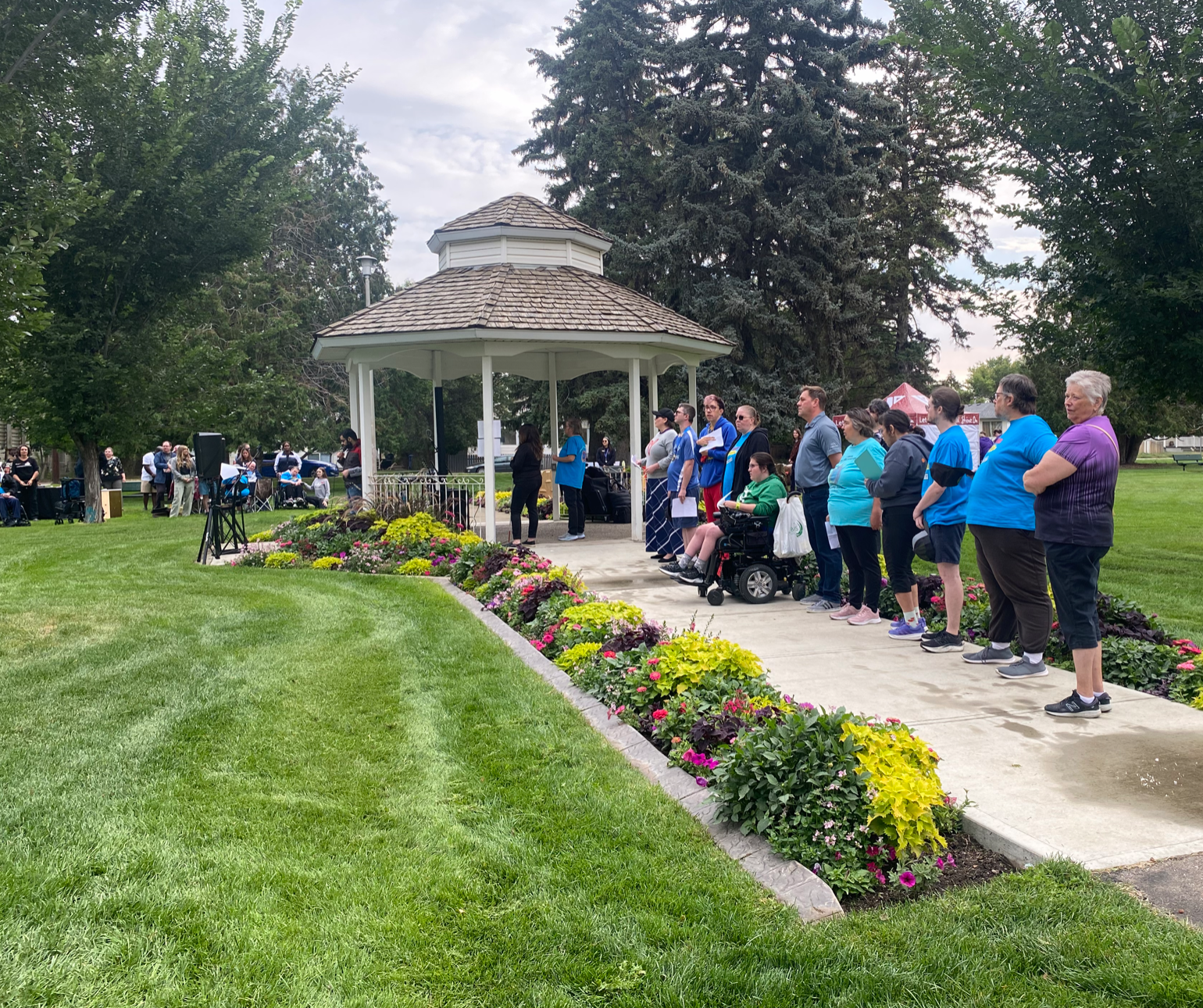
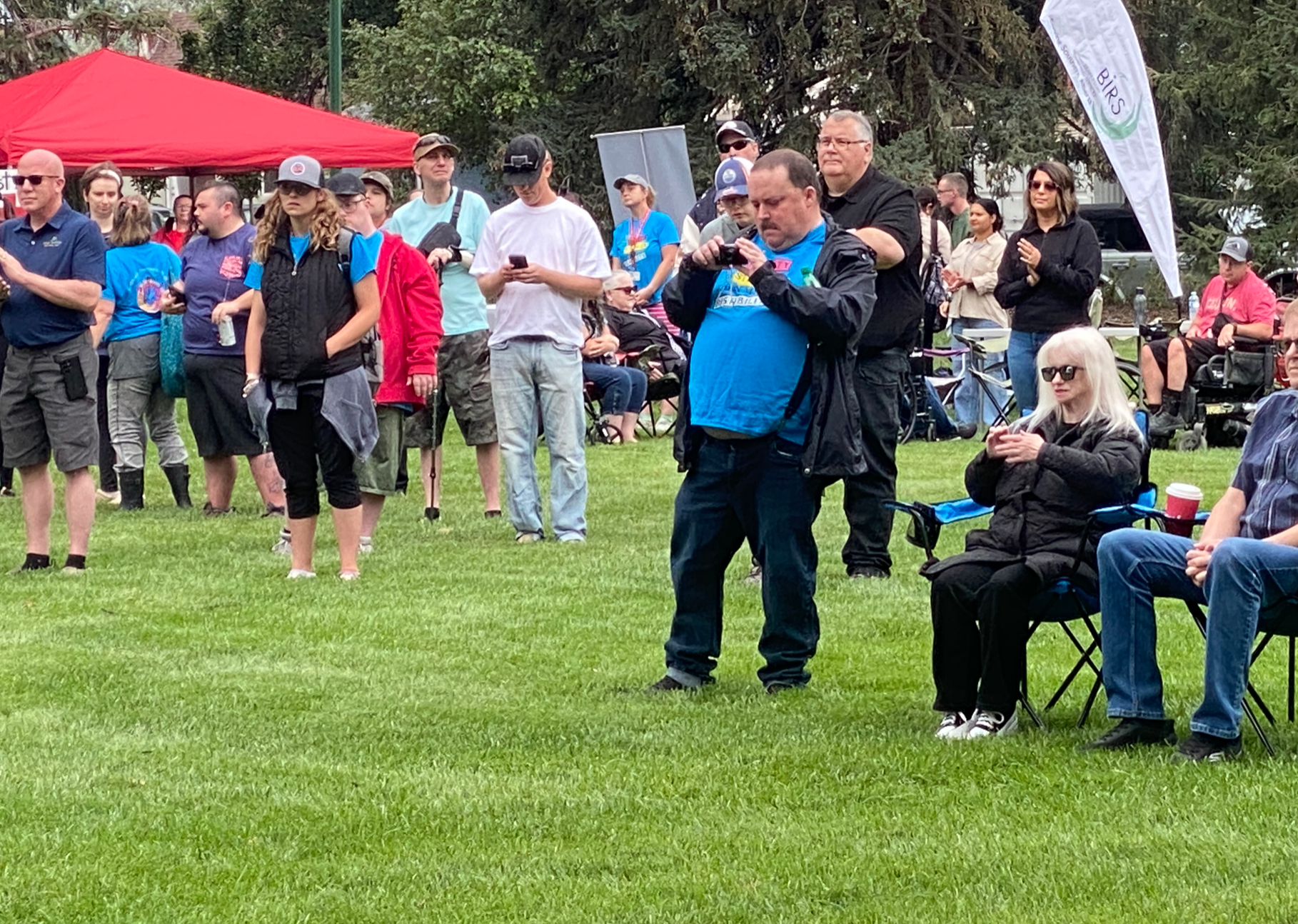
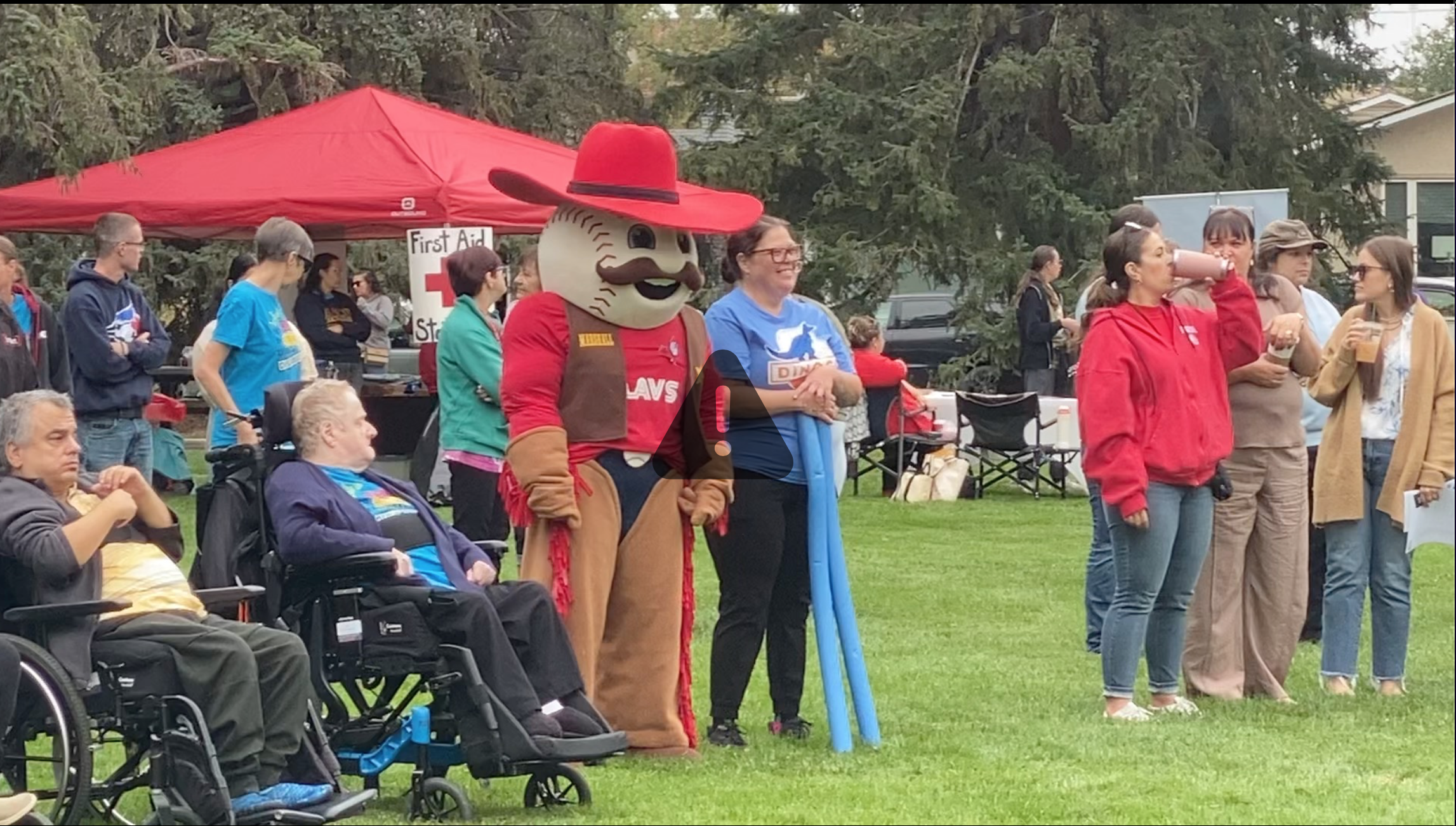
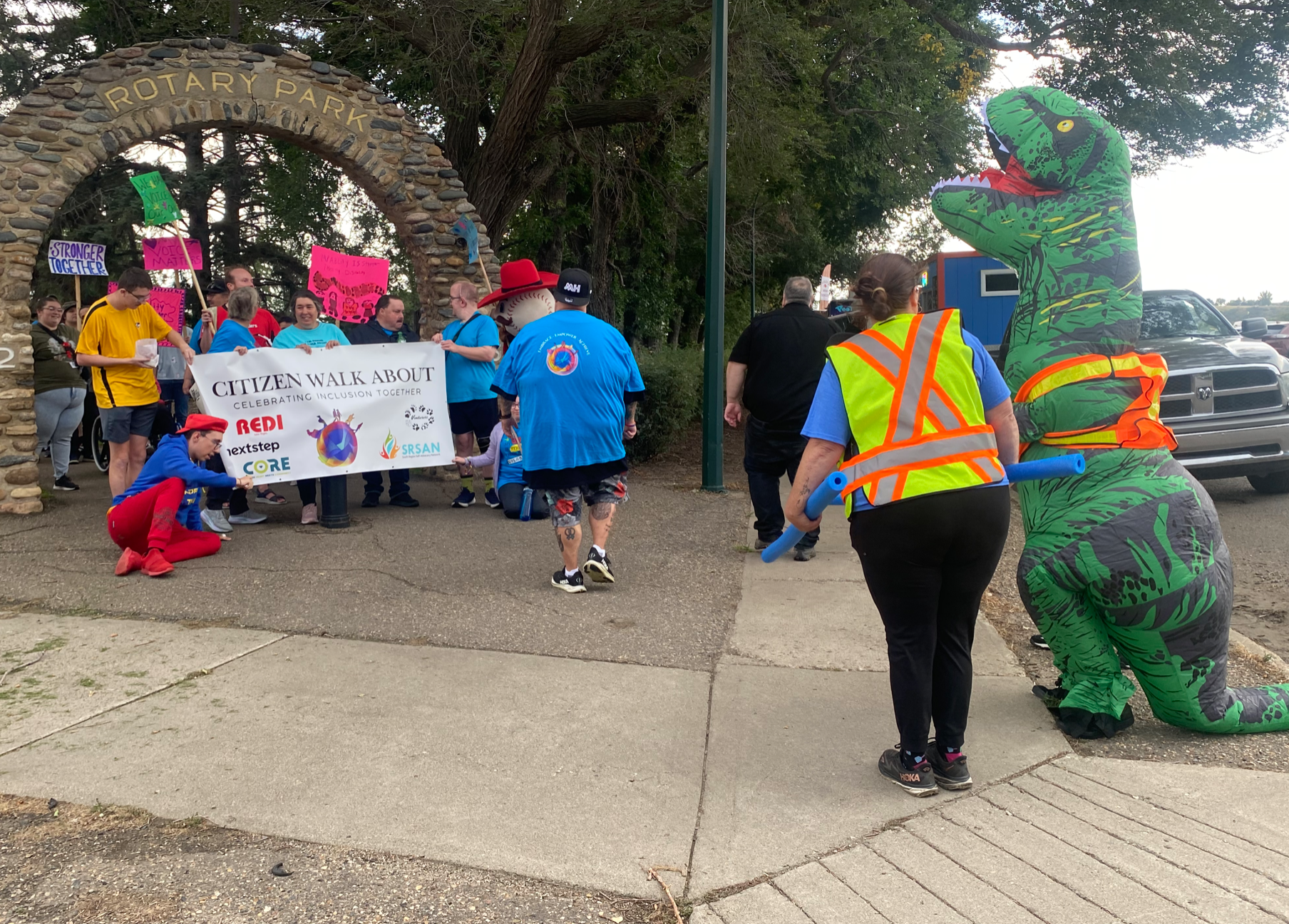
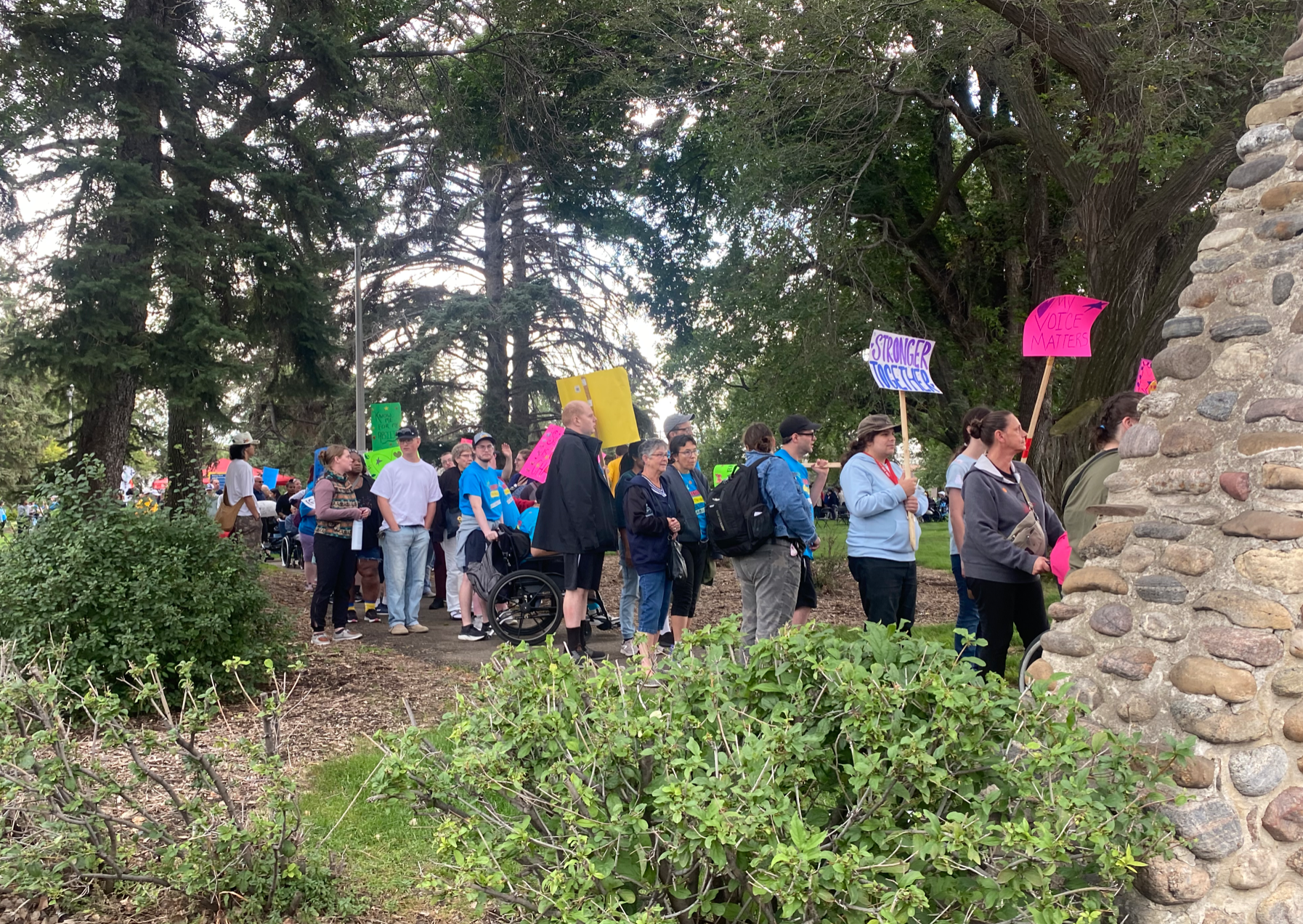
On Friday Sept 4, the Citizens Walk About brought about 200 people together at Rotary Park on Maple Avenue to raise awareness for those with disabilities. It was hosted by REDI Enterprises Society, CORE Association, TAG, and Next Step. Mayor Clark spoke, Councillor Dan Reynish was in attendance as was Councillor Stuart Young.
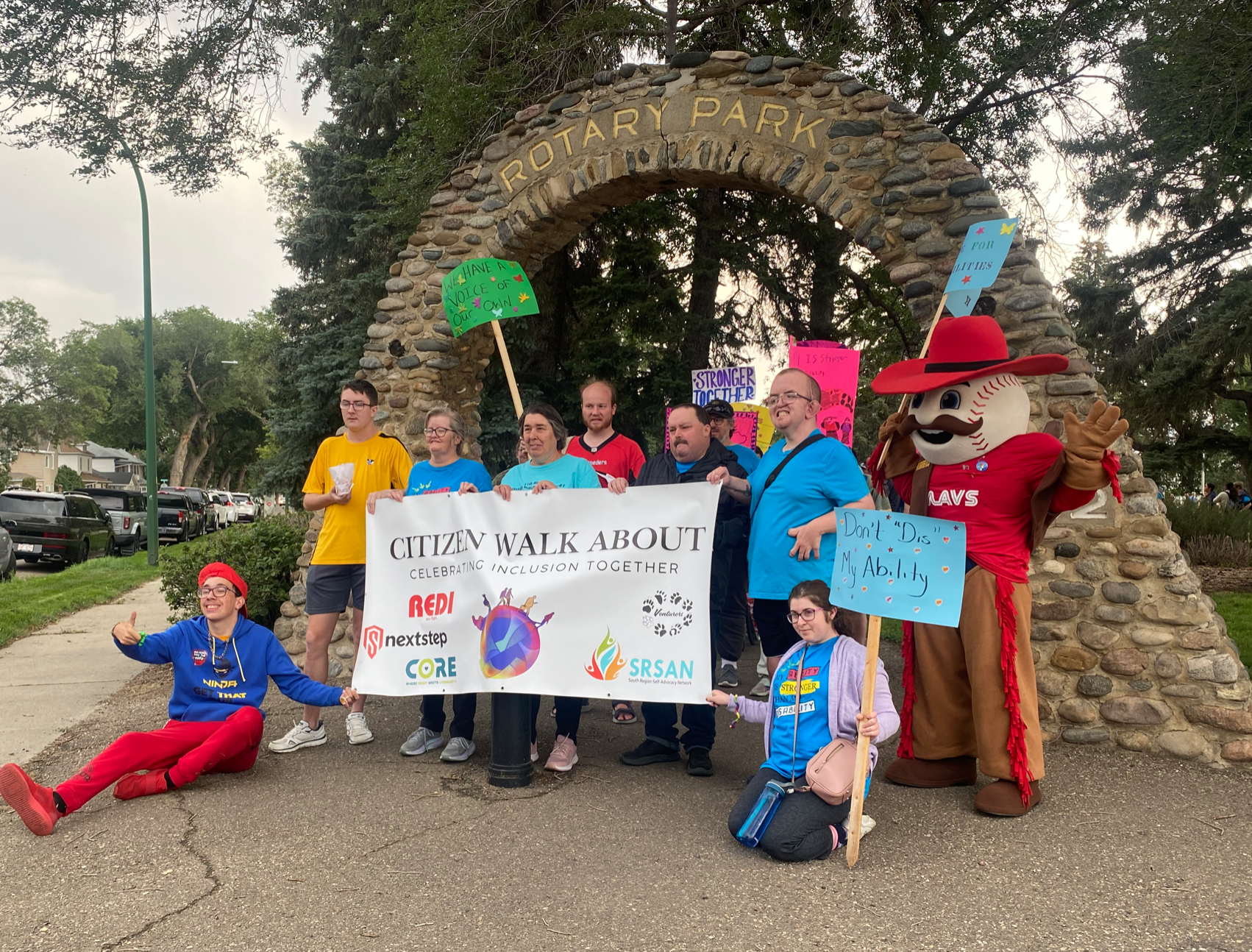
Sept 4 2026 Rotary Park Medicine Hat - Photo - Kelly Allard - Owl News
The Everyday Struggles Of People Using Wheelchairs Were Evident
The Owl was there and recorded the start of the walk. The video is at the bottom of this article.
People in motorized wheelchairs made it across the street okay for the most part. The manual wheelchairs were a different story. Support people struggled to go down the sidewalk ramps and back up again, most taking the wheelchairs up backwards. That’s a technique you use when the slope is too steep.
One person in a motorized wheelchair tried to go up a steep unofficial ramp a little further down the road. The wheelie bars saved them from going over backwards. There was a collective gasp until they were safely on the sidewalk. This is something experienced every single day by people living with disabilities but most of the rest of us give no thought to.
What the City is doing right
The City has done some very good work.
The multi-use trails Wider than the standard sidewalks which are often barely wide enough for a single wheelchair (imagine if two tried to pass). The trails are away from the road which makes everybody safer - no chance of falling off the sidewalk in front of traffic.
Raised crosswalks On the despised Division Avenue revamp, there are some raised crosswalks on the side streets. These are crosswalks built up to the same level as the sidewalk. They force cars to slow down because the driver has to go over a bump. That is a win for everyone. It makes it safer for people in wheelchairs, people with walkers, those pushing strollers, and those hauling shopping carts or oxygen tanks.
The transit system All of the buses are kneeling and have ramps that fold out so transit riders can get on/off easier. The drivers are amazing. Adaptive Transit (formerly Special Transit) has extended their hours of operation and adjusted their reservation system to prioritize certain medical appointments (dialysis for example) over socializing trips given the limited capacity.
It's Not All About the Wheelchairs
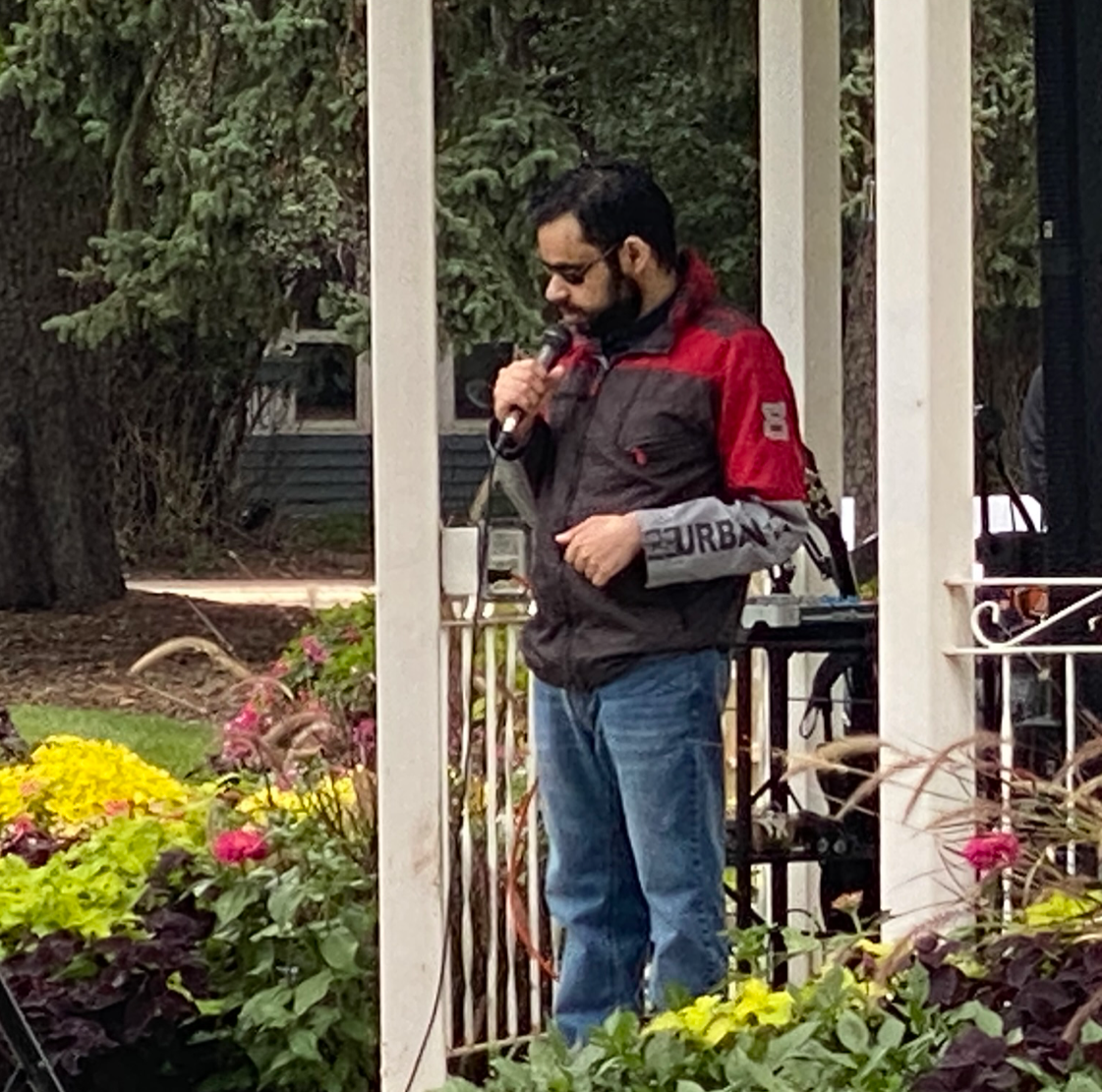
O Canada Singer - Owl News
Not all people living with a disability will be in a wheelchair.
Special Olympic athletes are people who train hard and compete in sports.
They are dedicated, strong, and proud of what they can do.
Others might not be able to work on regular basis but they volunteer their time to all kinds of causes.
They give back to this community just like anyone else in something more precious than mere money, they give their time.
Other give their talents like the man with the wonderful voice singing O Canada.
That is the kind of moment that shows you what this walk is really about.
People of all abilities coming together and contributing their gifts.
Advocates warn About Unsolicited Help
They often refer to it as the "Hero Complex." Here is what they advise.
Never ask someone if they NEED help. Always ask if they WANT help.
When you ask "do you want help?" you are giving them a choice. You are treating them like an adult who gets to decide what happens to their own body.
Mobility Aids
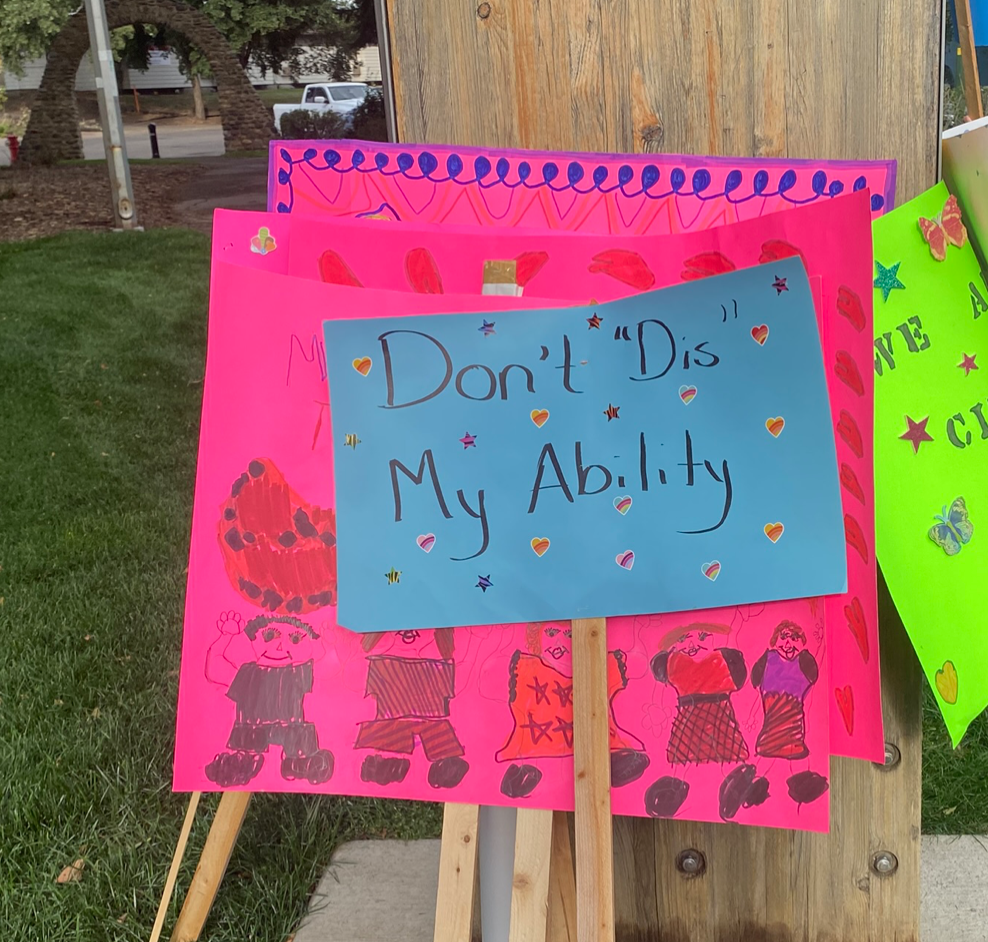
You see someone using a walker or a wheelchair and you leap into action like an uninvited superhero.
Here is why that is dangerous.
Mobility aids are extensions of a person's body. You would not grab a random stranger by the waist to hoist them up a curb without asking. Grabbing a walker, a cane, or a wheelchair is the exact same thing. It is an invasion of personal space.
Navigating a slope requires balance and coordination. The attendant or the person using the device knows exactly how to manage it. When you jump in from the blind side, you create competing forces. You are creating a situation where someone could fall.
When a random hand suddenly grips a walker or wheelchair out of nowhere, the person does not think "what a lovely citizen." Their body goes into fight-or-flight. Muscles tense, balance vanishes, and a fall becomes more likely.
If you genuinely think someone is in danger, try this:
Ask the person or their attendant, "Do you want an extra hand?"
If they say no, step back.
If you want to be useful without touching, stand a few feet back and act as a human safety net. Ready to catch someone only if an actual fall begins. Otherwise, keep your hands to yourself.
Stop Hovering and Stop Grabbing Arms
A person without a support person is moving a bit slower down the sidewalk. Suddenly you begin hovering inches away.
When you hover, you block their escape route. If they need to step back or pivot to regain their footing, you are standing exactly where they need to go. You also stress them out. Nothing ruins balance faster than the anxiety of a stranger waiting for you to fail.
If you are the type of person who reaches out and grabs a slow-moving person by the elbow to "guide" them? Keep your hands to yourself.
Grabbing someone's arm without consent is insulting, patronizing, and physically destabilizing. If someone is moving slowly, they are concentrating on their footing. Pulling their arm changes their center of gravity instantly.
Unless someone is actively wandering into oncoming traffic, you do not touch them.
Invisible Disabilities
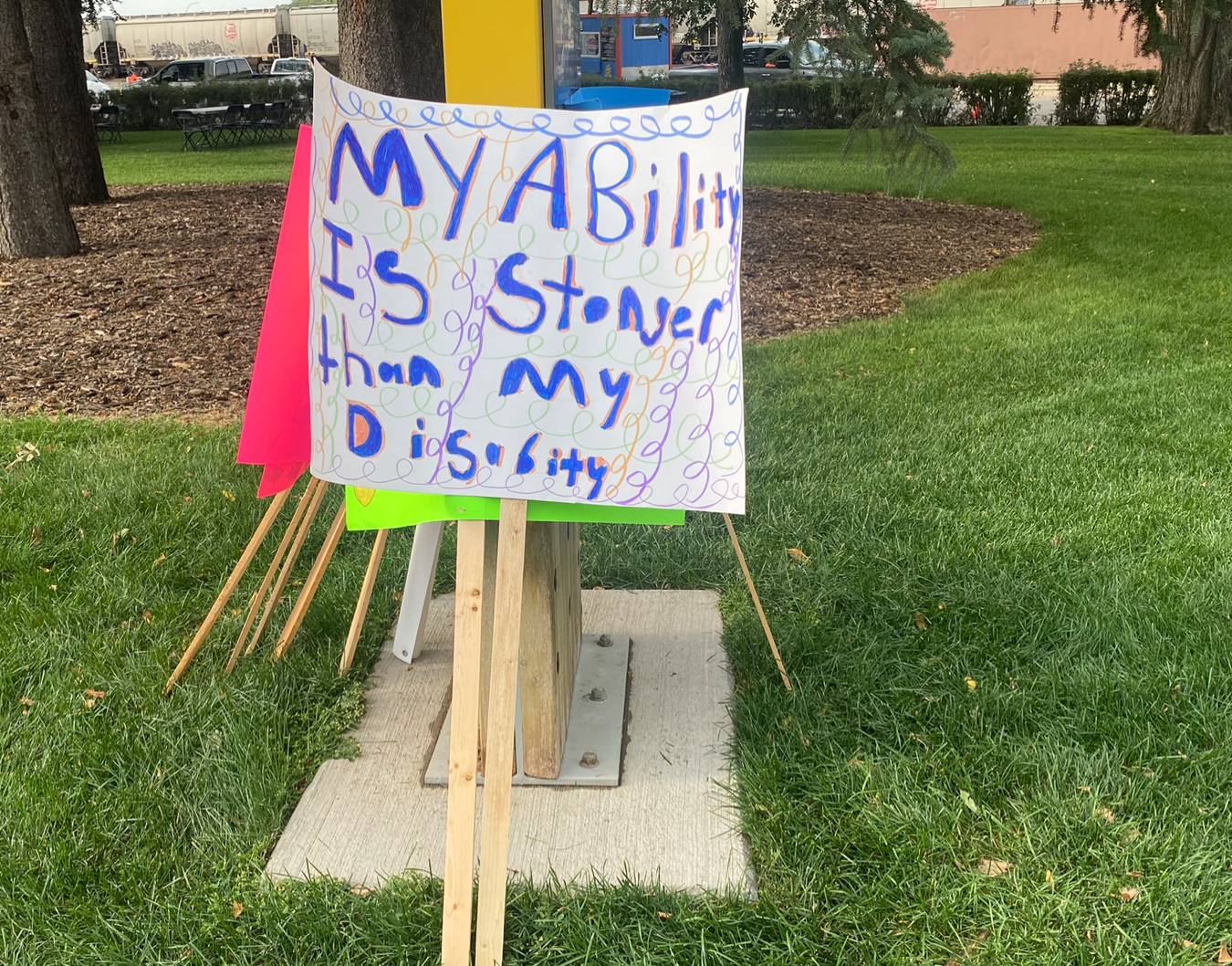
One of the many messages seen that day - Owl News
Another irritating habit many people have is trying to finish a sentence for someone because that person do not respond quickly enough.
Here’s what to do instead.
Give them time. Some people need a little longer to process what you are saying. Do not fill the silence. Do not finish their sentences. Just wait.
If necessary, repeat what you said. Use clear, plain language. Break down complicated ideas into smaller pieces.
Speak directly to them. If someone has a support person with them, do not talk to the support person like the person with the disability is not there.
Look at them.
Talk to them. Ask them questions.
About Handicapped Parking Never question why someone is using a handicapped parking space. A medical professional already filled out the form so that they can get the parking tag, it is none of your business. Maybe they have a heart condition and can look fine for the first few hundred feet but tire very easily.
The tag goes with the person, not the vehicle - a person can have a handicapped parking tag without owning a vehicle. Sometimes people forget their tag but it is actually in two parts - Part Two is a document they carry with them. They will often put it on the dash if they forget their actual tag but sometimes they forget - show a little grace.
Everyday Ways to Be Helpful
Hold the door. If you see someone in a wheelchair, with a walker, or carrying a white cane coming toward a door, hold it open. Make sure the door is all the way open so they can get through safely. If there is a second door, stick around and hold that one too. Do not automatically hit the automatic door button. You might hit it too soon and the door can hit them or close on them when they are only halfway through. Ask the person if they want the button pushed and when.
Offer a hand with heavy things. If someone is struggling with groceries or a bag that looks too heavy, ask if they WANT help. "May I help you with that?" is better than "You look like you need help."
Keep the sidewalks clear. If you see something blocking a sidewalk, move it if you can or call someone if you cannot.
Give them space at crosswalks. Do not crowd people when they are crossing the street. They need room to maneuver and do not honk at them. They are not holding you up on purpose. They are just trying to get where they are going safely.
Speak clearly and face them. Face them so they can see your mouth. This helps people who have hearing issues. Speak at a normal volume.
Be patient at checkout counters or banks. Some people take a little longer to find their wallet, count their money, or sign their name.
Give up your seat. If you are on a bus or in a waiting room and you see someone who might need a seat more than you do, stand up.
Never pet a service dog. Those dogs are working. They are focused on keeping their person safe.
Be a good driver. Slow down near crosswalks. Stop fully at stop signs. Do not block crosswalks when you are waiting at a red light. People with mobility issues need that extra time and space.
Talk to them like a person. Just talk to people with disabilities the same way you would talk to anyone else.
Do NOT park in a handicapped stall if you are able bodied. It doesn’t matter if you are just going to be a minute. Be grateful you have no need for a handicapped tag.
The Bigger Picture
The Citizens Walkabout got people talking. It got people out on the streets. It showed the community that people with disabilities are here and they matter.
It also showed how much work we still have to do. The struggles were right there in plain sight.
Everyone deserves to get around this city safely and with dignity.
That starts with respecting people enough to ask before you help, giving people the time they need to think, and building a city that works for everyone.